
संयुक्त दर्द को समझना
संयुक्त दर्द शरीर के एक या अधिक जोड़ों में असुविधा, कठोरता, या सूजन को संदर्भित करता है, जिसमें घुटनों, कंधे, कूल्हों, कोहनी, कलाई और टखने शामिल हैं। यह आंदोलन, लचीलापन और दैनिक गतिविधियों को प्रभावित कर सकता है। चोट, गठिया, अति प्रयोग, उम्र बढ़ने, खराब मुद्रा, या भड़काऊ स्थितियों के कारण संयुक्त दर्द का विकास हो सकता है। लक्षणों में अक्सर सूजन, कम गतिशीलता, कठोरता, कोमलता और आंदोलन या वजन-असर गतिविधियों के दौरान दर्द शामिल होता है।
आम कारण और जोखिम कारक
कई चिकित्सा स्थितियों और जीवन शैली से संबंधित कारकों के कारण जोड़ों का दर्द हो सकता है।
- Osteoarthritis
- संधिशोथ
- खेल चोट
- स्नायुबंधन और तनाव
- टेंडोनिटिस
- बर्सिटिस
- संयुक्त सूजन
- चोट
जोखिम कारकों में मोटापा, धूम्रपान, अनुचित उठाने की तकनीक और शारीरिक गतिविधि की कमी भी शामिल है।
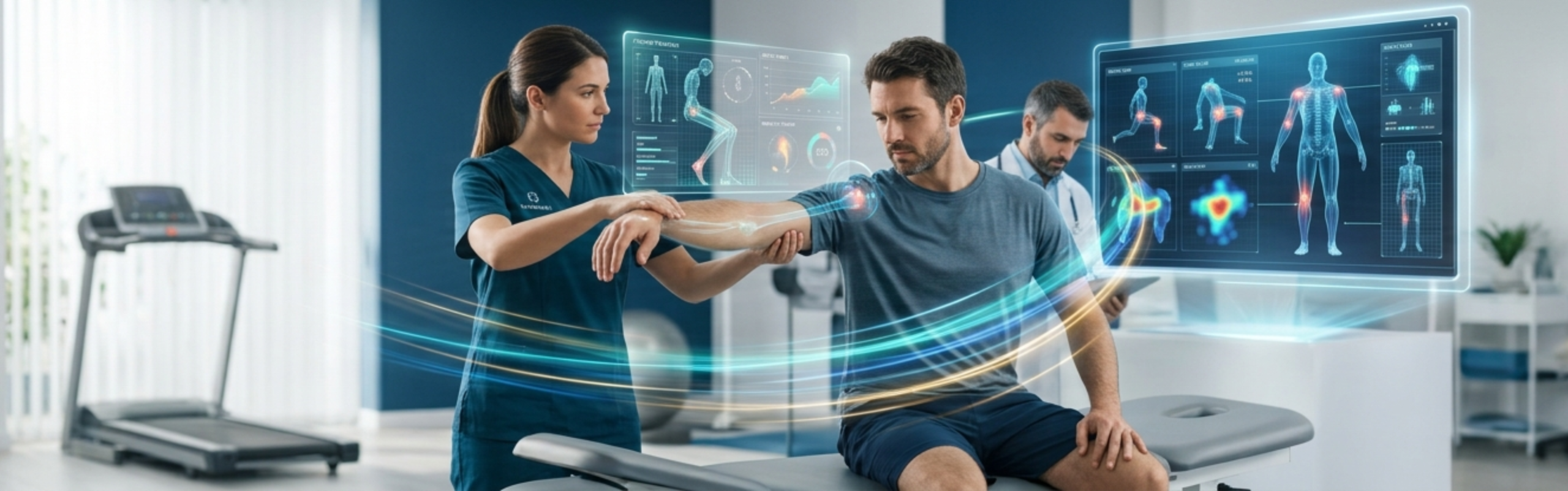
फिजियोथेरेपी आकलन और निदान
- संयुक्त गतिशीलता परीक्षण
- स्नायु शक्ति मूल्यांकन
- मुद्रा और आंदोलन विश्लेषण
- Gait आकलन
- लचीलापन परीक्षण
निष्कर्षों के आधार पर, गतिशीलता में सुधार, दर्द को कम करने और संयुक्त कार्य को बहाल करने के लिए एक व्यक्तिगत पुनर्वास योजना बनाई गई है।
संयुक्त दर्द के लिए उपचार विकल्प
फिजियोथेरेपी उपचार दर्द को कम करने, संयुक्त गतिशीलता में सुधार, आसपास की मांसपेशियों को मजबूत करने और आगे की क्षति को रोकने पर केंद्रित है।
- मैनुअल थेरेपी
- संयुक्त गतिशीलता
- स्ट्रेचिंग और मजबूती अभ्यास
- संतुलन और स्थिरता प्रशिक्षण
- गर्मी और गर्मी ठंडी चिकित्सा
- इलेक्ट्रोथेरेपी और अल्ट्रासाउंड
- नरम ऊतक mobilization
- सूखी जरूरत
- आसन सुधार
अनुकूलित घरेलू व्यायाम कार्यक्रमों को दीर्घकालिक वसूली का समर्थन करने की भी सिफारिश की जा सकती है।
रोकथाम और रिकवरी युक्तियाँ
जोड़ों के दर्द को कम करने और दीर्घकालिक संयुक्त स्वास्थ्य में सुधार करने के लिए:
- स्वस्थ शरीर के वजन को बनाए रखें
- नियमित व्यायाम
- सहायक मांसपेशियों को मजबूत करना
- दोहराव तनाव से बचें
- उचित मुद्रा और शरीर यांत्रिकी का उपयोग करें
- शारीरिक गतिविधि से पहले वार्म अप
प्रारंभिक भौतिक चिकित्सा उपचार गतिशीलता में सुधार, कठोरता को कम करने और पुरानी संयुक्त समस्याओं को रोकने में मदद कर सकता है।
अक्सर पूछे जाने वाले प्रश्न
जोड़ों के दर्द के सामान्य कारण क्या हैं?
जोड़ों का दर्द गठिया, चोटों, ओवरयूज, सूजन, टेंडोनाइटिस, बर्साइटिस, उपास्थि क्षति, या उम्र से संबंधित पहनने और आंसू से हो सकता है।
क्या भौतिक चिकित्सा संयुक्त दर्द के साथ मदद कर सकता है?
हाँ। फिजियोथेरेपी दर्द को कम करने में मदद करती है, संयुक्त लचीलापन में सुधार करती है, मांसपेशियों को मजबूत करती है, गतिशीलता को बहाल करती है, और व्यक्तिगत उपचार कार्यक्रमों के माध्यम से संयुक्त अध: पतन को रोकती है।
कौन से जोड़ों को सामान्यतः फिजियोथेरेपी में इलाज किया जाता है?
फिजियोथेरेपी आमतौर पर व्यवहार करती है: घुटने दर्दकंधे दर्दहिप दर्दअंकल दर्दWrist दर्दElbow दर्दगर्दन और रीढ़ की हड्डी के जोड़ों में दर्द
जोड़ों के दर्द के लिए क्या भौतिक चिकित्सा उपचार का उपयोग किया जाता है?
आम उपचार में शामिल हैं:मैनुअल थेरेपीसंयुक्त गतिशीलता स्ट्रेचिंग एक्सरसाइजस्ट्रेंथ ट्रेनिंगइलेक्ट्रोथेरेपी हीट एंड आइस थेरेपीड्राई की जरूरतपोस्टरल करेक्शनबैलेंस एंड मूवमेंट रिट्रेनिंग
मुझे जोड़ों के दर्द का इलाज कब करना चाहिए?
अगर आपको पेशेवर मदद लेनी चाहिए:दर्द कई हफ्तों तक जारी रहता है सूजन बढ़ जाती हैसंयुक्त आंदोलन मुश्किल हो जाता हैदर्द दैनिक गतिविधियों को प्रभावित करता है आप कठोरता या अस्थिरता का अनुभव करते हैंप्रारंभिक हस्तक्षेप दीर्घकालिक जटिलताओं को रोक सकता है।