
कंधे के दर्द को समझना
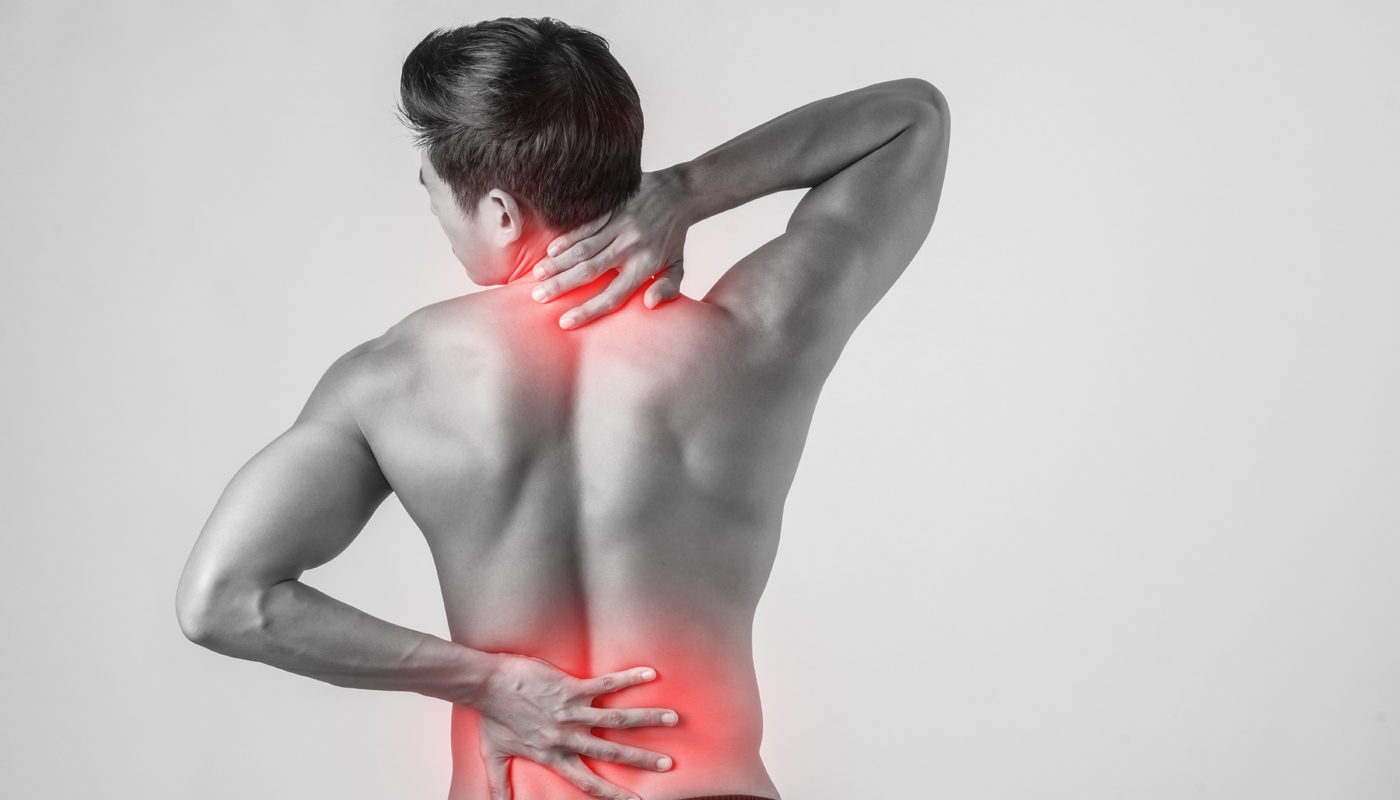
कंधे का दर्द एक आम मस्कुलोस्केलेटल स्थिति है जो कंधे के जोड़ों, मांसपेशियों, टेंडन, स्नायुबंधन और आसपास के नरम ऊतकों को प्रभावित करती है। कंधे शरीर में सबसे अधिक मोबाइल जोड़ों में से एक है, जो इसे तनाव, अस्थिरता और चोट के लिए अधिक संवेदनशील बनाती है। कंधे का दर्द हल्के असुविधा और कठोरता से गंभीर दर्द तक हो सकता है जो हाथ आंदोलन और दैनिक गतिविधियों को सीमित करता है।
स्थिति धीरे-धीरे अति प्रयोग, खराब मुद्रा, या अपक्षयी परिवर्तन, या अचानक चोट या आघात के कारण विकसित हो सकती है। आम लक्षणों में कंधे की कठोरता, कमजोरी, गति की कम सीमा, सूजन, बांह को उठाने में कठिनाई, और दर्द को हाथ या ऊपरी पीठ के नीचे विकिरण करना शामिल है।
आम कारण और जोखिम कारक
विभिन्न शारीरिक, व्यावसायिक और जीवन शैली से संबंधित कारकों के कारण कंधे का दर्द हो सकता है।
- रोटेटर कफ चोट
- जमे हुए कंधे (चिपकने वाला कैप्सुलाइटिस)
- कंधे प्रतिबाधा सिंड्रोम
- टेंडिनाइटिस या बुर्गिटिस
- मांसपेशी तनाव
- कंधे अस्थिरता या विच्छेदन
- गरीब
- दोहरावदार ओवरहेड आंदोलनों
उम्र बढ़ने, खराब मुद्रा, दोहराव हाथ आंदोलनों, भारी उठाने, लंबे समय तक डेस्क काम, खेल गतिविधियों, मधुमेह, व्यायाम की कमी, पिछले कंधे की चोट, और अनुचित एर्गोनॉमिक्स कंधे के दर्द के जोखिम को बढ़ा सकते हैं।
फिजियोथेरेपी आकलन और निदान
A भौतिक चिकित्सा आकलन कंधे के दर्द और आंदोलन की शिथिलता के अंतर्निहित कारण की पहचान करने में मदद करता है।
- मुद्रा विश्लेषण
- गति परीक्षण की कंधे रेंज
- स्नायु शक्ति मूल्यांकन
- संयुक्त गतिशीलता आकलन
- कार्यात्मक आंदोलन विश्लेषण
आकलन निष्कर्षों के आधार पर, दर्द को कम करने, कंधे की गतिशीलता को बहाल करने और ताकत और कार्य में सुधार के लिए एक व्यक्तिगत भौतिक चिकित्सा उपचार योजना बनाई गई है।
कंधे दर्द के लिए उपचार विकल्प
फिजियोथेरेपी उपचार दर्द से राहत देने, आंदोलन को बहाल करने, कंधे की स्थिरता में सुधार और पुनरावृत्ति को रोकने पर केंद्रित है।
- मैनुअल थेरेपी
- कंधे संयुक्त जुदाई
- स्ट्रेचिंग और मजबूती अभ्यास
- रोटेटर कफ पुनर्वास
- आसन सुधार
- सूखी जरूरत
- गर्मी और गर्मी ठंडी चिकित्सा
- इलेक्ट्रोथेरेपी और अल्ट्रासाउंड
- नरम ऊतक mobilization
उपचार को कंधे के दर्द से जुड़ी गंभीरता, कारण और कार्यात्मक सीमाओं के अनुसार अनुकूलित किया जाता है।
रोकथाम और रिकवरी युक्तियाँ
कंधे के दर्द को कम करने और पुनरावृत्ति को रोकने के लिए:
- बैठक और काम करते समय उचित मुद्रा बनाए रखें
- दोहरावदार ओवरहेड तनाव से बचें
- कंधे और ऊपरी पीठ की मांसपेशियों को मजबूत करना
- नियमित रूप से खिंचाव
- एर्गोनोमिक वर्कस्टेशन सेटअप का उपयोग करें
- खेल या व्यायाम से पहले वार्म अप
प्रारंभिक भौतिक चिकित्सा हस्तक्षेप गतिशीलता में सुधार, दर्द को कम करने और दीर्घकालिक कंधे की शिथिलता को रोकने में मदद कर सकता है।
अक्सर पूछे जाने वाले प्रश्न
कंधे के दर्द के सामान्य कारण क्या हैं?
कंधे के दर्द के परिणामस्वरूप रोटेटर कफ की चोट, जमे हुए कंधे, टेंडिनाइटिस, बर्साइटिस, मांसपेशी तनाव, गठिया, खराब मुद्रा, दोहराव आंदोलन, या खेल की चोट हो सकती है।
क्या शरीरचिकित्सा कंधे के दर्द से मदद कर सकता है?
हाँ। फिजियोथेरेपी दर्द को कम करने में मदद करती है, कंधे की गतिशीलता में सुधार करती है, मांसपेशियों को मजबूत करती है, संयुक्त कार्य को बहाल करती है, और व्यक्तिगत पुनर्वास कार्यक्रमों के माध्यम से कंधों की समस्याओं को रोकती है।
क्या उपचार आमतौर पर कंधे के दर्द के लिए इस्तेमाल किया जाता है?
सामान्य भौतिक चिकित्सा उपचार में शामिल हैं:मैनुअल थेरेपीकंधे को मजबूत करने वाले व्यायामस्ट्रिपिंग एक्सरसाइजसंयुक्त जुएंट मोबिलाइजेशनरोटेटर कफ पुनर्वाससूखी needling Heat और ठंड चिकित्साइलेक्ट्रोथेरेपीपोस्टरल सुधार
जमे हुए कंधे क्या है?
फ्रोजन कंधे, जिसे चिपकने वाला कैप्सुलाइटिस भी कहा जाता है, एक ऐसी स्थिति है जो कंधे कैप्सूल के कसने के कारण दर्द, कठोरता और कंधे की गति को कम करती है।
कब तक कंधे में दर्द की वसूली होती है?
रिकवरी समय स्थिति के कारण और गंभीरता पर निर्भर करता है। हल्के कंधे में दर्द कुछ हफ्तों के भीतर सुधार हो सकता है, जबकि जमे हुए कंधे या rotator कफ चोटों को पुनर्वास के कई महीनों की आवश्यकता हो सकती है।