
क्रायोथेरेपी क्या है?
दर्द, सूजन और सूजन गतिशीलता, एथलेटिक प्रदर्शन और जीवन की समग्र गुणवत्ता को काफी प्रभावित कर सकती है। चाहे खेल की चोट, पोस्ट-सर्जिकल रिकवरी, गठिया, या मस्कुलोस्केलेटल तनाव के कारण, तेजी से उपचार के लिए प्रभावी ढंग से सूजन का प्रबंधन करना महत्वपूर्ण है। क्रायोथेरेपी, जिसे कोल्ड थेरेपी भी कहा जाता है, एक विशेष है भौतिक चिकित्सा उपचार जो दर्द को कम करने, सूजन को कम करने और ऊतक वसूली में तेजी लाने के लिए नियंत्रित ठंडे तापमान का उपयोग करता है।
At PhysioExpert, हम समझते हैं कि तेजी से दर्द राहत और सूजन नियंत्रण समारोह बहाल करने और वसूली परिणामों में सुधार के लिए आवश्यक हैं। क्रायोथेरेपी के लिए हमारा दृष्टिकोण उन्नत क्रायो-संपीड़न थेरेपी के साथ पारंपरिक ठंड अनुप्रयोग विधियों को जोड़ती है, जो परिशुद्धता के साथ लक्षित शीतलन प्रदान करती है। चाहे आप एक ऑर्थोपेडिक चोट से ठीक हो, पुरानी संयुक्त दर्द का प्रबंधन, या तेजी से खेल पुनर्वास की मांग कर रहे हों, क्रायोथेरेपी वैज्ञानिक रूप से समर्थित, गैर-इनवेसिव समाधान प्रदान करती है।
क्रायोथेरेपी एक चिकित्सीय प्रक्रिया है जिसका उद्देश्य सेलुलर चयापचय को धीमा करने, रक्त वाहिकाओं को कम करने और भड़काऊ प्रतिक्रियाओं को कम करने के लिए ऊतक तापमान को कम करना है। दवा आधारित हस्तक्षेप के विपरीत, क्रायोथेरेपी एक भौतिक उपचार प्रणाली है जो स्वाभाविक रूप से दर्द को नियंत्रित करने के लिए तापमान विनियमन का उपयोग करती है। यह तंत्रिका चालन वेग को कम करता है, एक साथ मांसपेशी ऐंठन और ऊतक क्षति को कम करते हुए दर्दनाक ऊतकों को कम करता है।
आधुनिक पुनर्वास में, क्रायोथेरेपी को तीव्र चोटों, पोस्ट-ऑपरेटिव सूजन, खेल पुनर्वास और पुरानी भड़काऊ विकारों के लिए एक कोनेस्टोन उपचार माना जाता है। इसे अक्सर क्रिटिकल उपचार चरण के दौरान सूजन को नियंत्रित करने में इसकी प्रभावशीलता के कारण ऑर्थोपेडिक रीहब, स्पोर्ट्स फिजियोथेरेपी और दर्द प्रबंधन प्रोटोकॉल में एकीकृत किया जाता है।
Cryotherapy (Cold therapy)
फिजियो एक्सपर्ट में क्रायोथेरेपी सत्र का लक्ष्य सिर्फ अस्थायी शीतलन नहीं है—यह ऊतक चिकित्सा और कार्यात्मक वसूली को अनुकूलित करने के लिए एक व्यापक रणनीति है। प्राथमिक उद्देश्यों में शामिल हैं:
सूजन को कम करना
शीत तापमान रक्त वाहिकाओं को रोकने और घायल ऊतकों में तरल संचय को कम करके भड़काऊ प्रतिक्रियाओं को सीमित करते हैं।
नियंत्रण दर्द
क्रायोथेरेपी तंत्रिका चालन को धीमा कर देती है, जो दर्द संकेत संचरण को कम करती है और तत्काल एनाल्जेसिक प्रभाव प्रदान करती है।
स्वेलिंग (एडेमा) को छोटा करना
केशिका पारगम्यता को कम करके, क्रायोथेरेपी आसपास के ऊतकों में अत्यधिक तरल रिसाव को रोकता है।
मांसपेशी स्पैम को कम करना
शीत अनुप्रयोग मांसपेशी धुरी गतिविधि को कम कर देता है, जो अनैच्छिक मांसपेशी संकुचन को राहत देने में मदद करता है।
त्वरित रिकवरी
नियंत्रित ठंड जोखिम पहले आंदोलन और व्यायाम प्रगति को सक्षम करके पुनर्वास परिणामों में सुधार करता है।
सहायक पोस्ट-सर्जिकल हीलिंग
क्रायोथेरेपी दर्द और सूजन को नियंत्रित करने के लिए लिगामेंट मरम्मत, संयुक्त प्रतिस्थापन और गठिया सर्जरी जैसी प्रक्रियाओं के बाद महत्वपूर्ण है।
क्रायोथेरेपी के तहत प्रयुक्त तकनीक
आइस पैक थेरेपी
सरल और सबसे अधिक इस्तेमाल की जाने वाली विधि में ठंडे पैक को सीधे घायल क्षेत्रों में लागू करना शामिल है। यह सतही ऊतक तापमान को कम कर देता है और मोच, तनाव और तीव्र सूजन के लिए अत्यधिक प्रभावी है।
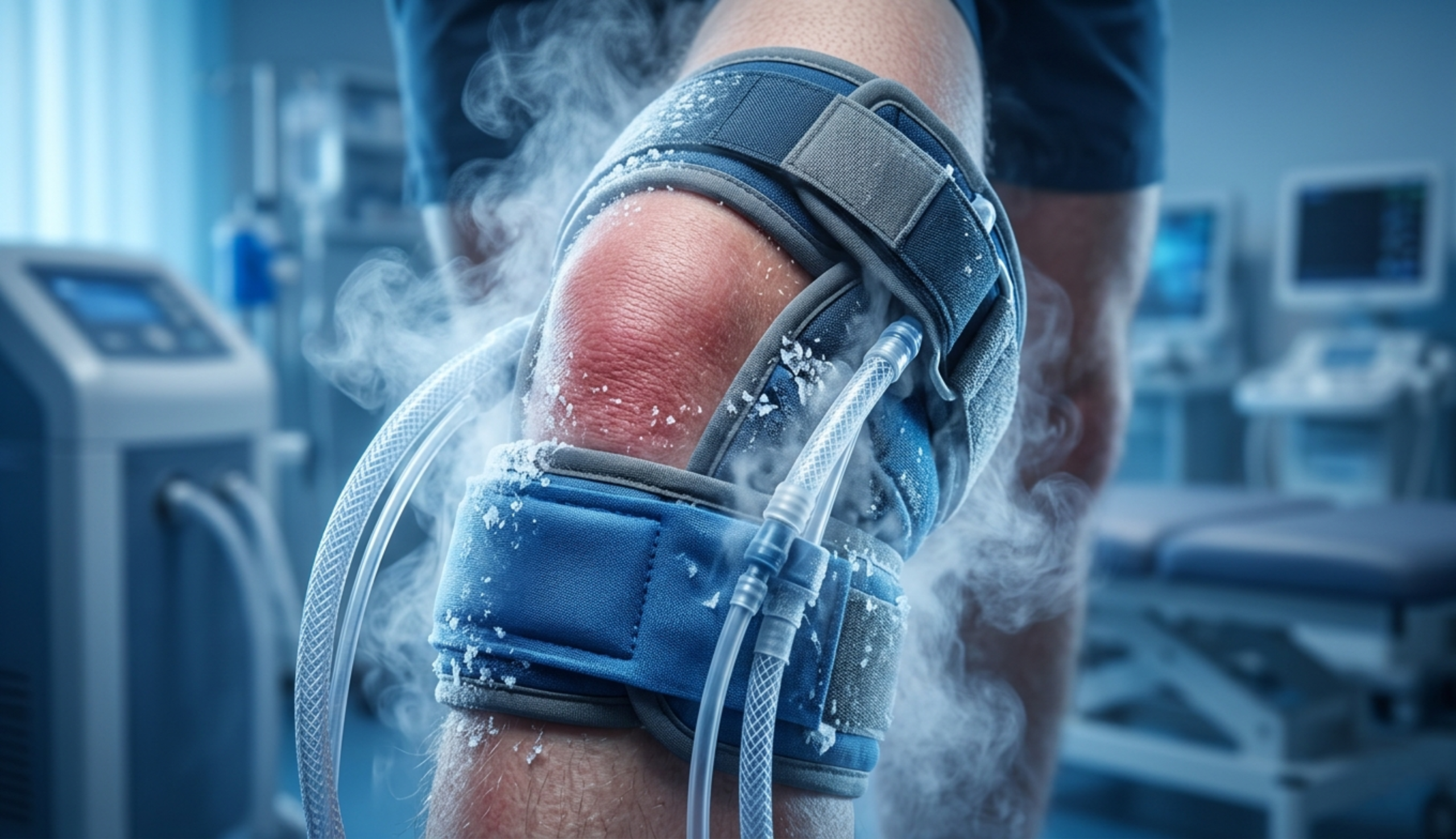
क्रायो संपीड़न थेरेपी
At PhysioExpert, हम अक्सर उन्नत प्रणालियों का उपयोग करते हैं जो आंतरायिक संपीड़न के साथ ठंडी चिकित्सा को जोड़ती हैं। यह दोहरी कार्रवाई दृष्टिकोण सूजन में कमी को बढ़ाता है, परिसंचरण में सुधार करता है और सर्जरी या खेल चोटों के बाद वसूली में तेजी लाती है।
आइस मसाज
इसमें छोटे उपचार क्षेत्रों पर बर्फ का प्रत्यक्ष परिपत्र अनुप्रयोग शामिल है। आइस मालिश विशेष रूप से टेंडिनाइटिस, ट्रिगर अंक और स्थानीयकृत सूजन के लिए प्रभावी है।
शीत जल विसर्जन
अक्सर खेल वसूली में उपयोग किया जाता है, यह विधि तीव्र गतिविधि के बाद देरी से मांसपेशियों की पीड़ा (DOMS) को कम कर देती है।
Vapocoolant Sprays
रैपिड कूलिंग स्प्रे का उपयोग स्ट्रेचिंग एक्सरसाइज से पहले अस्थायी दर्द राहत और मांसपेशी रिलीज के लिए किया जा सकता है।
क्रायोथेरेपी के शारीरिक प्रभाव
क्रायोथेरेपी कई महत्वपूर्ण शारीरिक तंत्रों के माध्यम से काम करती है:
Vasoconstriction
शीत रक्त वाहिकाओं को संकुचित करता है, रक्त प्रवाह और सूजन को कम करता है।
कम मेटाबोलिक दर
निचले ऊतक का तापमान ऑक्सीजन की मांग को कम करता है, कोशिकाओं को माध्यमिक चोट से बचाता है।
नेर्व सिग्नल दमन
धीमी तंत्रिका चाल दर्द को कम कर देता है।
मांसपेशी विश्राम
बढ़ी हुई मांसपेशी धुरी संवेदनशीलता ऐंठन को कम करती है।
प्रतिक्रियाशील Vasodilation
उपचार के बाद, बेहतर परिसंचरण ऊतक की मरम्मत में तेजी लाने के लिए ऑक्सीजन और पोषक तत्वों को वितरित करता है।
क्रायोथेरेपी के साथ इलाज की स्थिति
क्रायोथेरेपी स्थितियों की एक विस्तृत श्रृंखला के लिए अत्यधिक फायदेमंद है, जिसमें शामिल हैं:
A
Acute Sports Injuries
बारिश, तनाव, बंधन आंसू
बी
पोस्ट-Surgical सूजन
ACL पुनर्निर्माण, संयुक्त प्रतिस्थापन, फ्रैक्चर मरम्मत
C
गठिया
Osteoarthritis, rheumatoid flare-up
D
टेंडिनाइटिस
टेनिस कोहनी
E
मांसपेशी ऐंठन
पीठ दर्द, गर्दन तनाव
एफ
संयुक्त शर्त
Bursitis, जमे हुए कंधे, घुटने दर्द
जी
व्यायाम रिकवरी
मांसपेशियों की पीड़ा, ओवरट्रेनिंग वसूली
मतभेद: जब क्रायोथेरेपी से बचने के लिए
हालांकि अत्यधिक प्रभावी, क्रायोथेरेपी हर किसी के लिए उपयुक्त नहीं हो सकती है। यह निम्नलिखित मामलों में सावधानी की आवश्यकता है:
A
शीत अतिसंवेदनशीलता
ठंडी पित्ती जैसी स्थितियां
बी
Raynaud रोग
शीत संवहनी ऐंठन को ट्रिगर कर सकता है
C
परिधीय संवहनी रोग
कम परिसंचरण ऊतक क्षति को खराब कर सकता है
D
संवेदी हानि
रोगी अत्यधिक ठंड का पता लगाने में असमर्थ
E
खुला घाव
जब तक विशेष रूप से संकेत नहीं दिया
एफ
गंभीर हृदय की स्थिति
चिकित्सक स्वीकृति की आवश्यकता
क्रायोथेरेपी में उन्नत प्रौद्योगिकी को एकीकृत करना
At PhysioExpert, हम उपचार परिणामों को अधिकतम करने के लिए आधुनिक नवाचारों का उपयोग करते हैं:
क्रायो संपीड़न मशीनें
गतिशील संपीड़न के साथ सटीक तापमान नियंत्रण प्रदान करें।
डिजिटल रिकवरी सिस्टम
अनुकूलित पुनर्वास के लिए ट्रैक सत्र की अवधि और ऊतक प्रतिक्रिया।
पोर्टेबल शीत चिकित्सा उपकरण
घर आधारित वसूली और एथलेटिक प्रदर्शन में वृद्धि के लिए आदर्श।
शीत थेरेपी के लिए फिजियो एक्सपर्ट दृष्टिकोण
हमारा उपचार दर्शन व्यक्तिगत देखभाल पर केंद्रित है:
आकलन:
चोट की गंभीरता, सूजन चरण और कार्यात्मक सीमाओं की पहचान करना।
अनुकूलित प्रोटोकॉल:
ठंड के संपर्क अवधि, तीव्रता और तकनीक को दर्ज करना।
पुनर्वास के साथ एकीकरण:
व्यायाम थेरेपी, गतिशीलता कार्य और दर्द प्रबंधन के साथ क्रायोथेरेपी का संयोजन।
शिक्षा:
शिक्षण रोगियों को चल रहे लक्षण प्रबंधन के लिए सुरक्षित घर आवेदन के तरीके।
अक्सर पूछे जाने वाले प्रश्न
क्या Cryotherapy दर्दनाक है?
नहीं रोगी आम तौर पर शुरू में ठंड, घबराहट और हल्की असुविधा महसूस करते हैं, इसके बाद दर्द से राहत मिलती है।
कितने समय तक एक सत्र समाप्त होता है?
अधिकांश सत्र उपचार क्षेत्र और स्थिति के आधार पर 10-20 मिनट से लेकर आते हैं।
क्या मैं घर पर क्रायोथेरेपी का उपयोग कर सकता हूँ?
हां, जब सही ढंग से इस्तेमाल किया जाता है तो बुनियादी कोल्ड पैक सुरक्षित होते हैं, हालांकि उन्नत क्रायो संपीड़न प्रणाली बेहतर परिणाम प्रदान करती है।
क्या Cryotherapy शल्य चिकित्सा के बाद प्रभावी है?
हाँ। यह पोस्ट-ऑपरेटिव दर्द और सूजन को कम करने के लिए सबसे प्रभावी तरीकों में से एक है।
क्या क्रायोथेरेपी एथलेटिक रिकवरी में सुधार करती है?
बिल्कुल। यह पीड़ा को कम करता है, सूजन को कम करता है, और प्रदर्शन को वापस बढ़ाता है।
फिजियो एक्स्पर्ट के साथ फास्टर को पुनर्प्राप्त करें
क्रायोथेरेपी (Cold therapy) अस्थायी दर्द राहत से कहीं अधिक है—यह एक सबूत आधारित चिकित्सीय हस्तक्षेप है जो ऊतक चिकित्सा को बढ़ाता है, सूजन को नियंत्रित करता है और गतिशीलता को बहाल करता है। उन्नत पुनर्वास तकनीकों के साथ पारंपरिक ठंडे अनुप्रयोगों के संयोजन से, हम रोगियों को कुशलतापूर्वक और सुरक्षित रूप से ठीक करने में मदद करते हैं।
यदि आप तीव्र दर्द, खेल की चोट, पोस्ट-सर्जिकल सूजन, या पुरानी सूजन के साथ काम कर रहे हैं, तो फिजियो एक्सपर्ट आपकी ताकत, गतिशीलता और सक्रिय जीवन शैली को बहाल करने के लिए डिज़ाइन किए गए विशेष क्रायोथेरेपी समाधान प्रदान करने के लिए तैयार है।
यदि आप या किसी प्रिय व्यक्ति को सांस लेने, पुरानी खांसी, या एक प्रमुख सर्जरी से ठीक होने के साथ संघर्ष कर रहा है, तो जटिलताओं के लिए उठने की प्रतीक्षा न करें। At PhysioExpert, हमारी टीम विशेष फेफड़ों की देखभाल प्रदान करने के लिए तैयार है जिसे आपको गहराई से सांस लेने और पूरी तरह से जीने की आवश्यकता है।

