
शेष की हानि को समझना
संतुलन की हानि एक शर्त है जो स्थायी, चलने या आंदोलन के दौरान स्थिरता, समन्वय और शरीर नियंत्रण को प्रभावित करती है। यह चक्कर आना, अस्थिरता, लगातार गिरने या आसन को बनाए रखने में कठिनाई पैदा कर सकता है। आंतरिक कान, मांसपेशियों, जोड़ों, नसों, मस्तिष्क या उम्र से संबंधित परिवर्तनों को शामिल करने के मुद्दों के कारण संतुलन की समस्याएं हो सकती हैं।
स्थिति सभी उम्र के लोगों को प्रभावित कर सकती है लेकिन पुराने वयस्कों और न्यूरोलॉजिकल या मस्कुलोस्केलेटल विकारों वाले व्यक्तियों में अधिक आम है। आम लक्षणों में चक्कर आना, चक्कर आना, अस्थिरता जबकि चलना, कमजोरी, खराब समन्वय और गिरने के डर शामिल हैं।
आम कारण और जोखिम कारक
संतुलन की हानि कई न्यूरोलॉजिकल, पेशी, वेस्टिबुलर और जीवन शैली से संबंधित कारकों से उत्पन्न हो सकती है।
- वेस्टिबुलर विकार (इनर कान की समस्याएं)
- वर्टिगो
- मांसपेशी कमजोरी
- न्यूरोलॉजिकल स्थिति
- स्ट्रोक
- पार्किन्सन रोग
- पेरिफेरल न्यूरोपैथी
- संयुक्त या गतिशीलता विकार
उम्र बढ़ने, अवसादन जीवनशैली, खराब मांसपेशियों की ताकत, मधुमेह, तंत्रिका संबंधी विकार, दृष्टि की समस्याएं, दवाईयां, पिछले गिरने, गठिया, और शारीरिक गतिविधि की कमी संतुलन समस्याओं के जोखिम को बढ़ा सकती है।
फिजियोथेरेपी आकलन और निदान
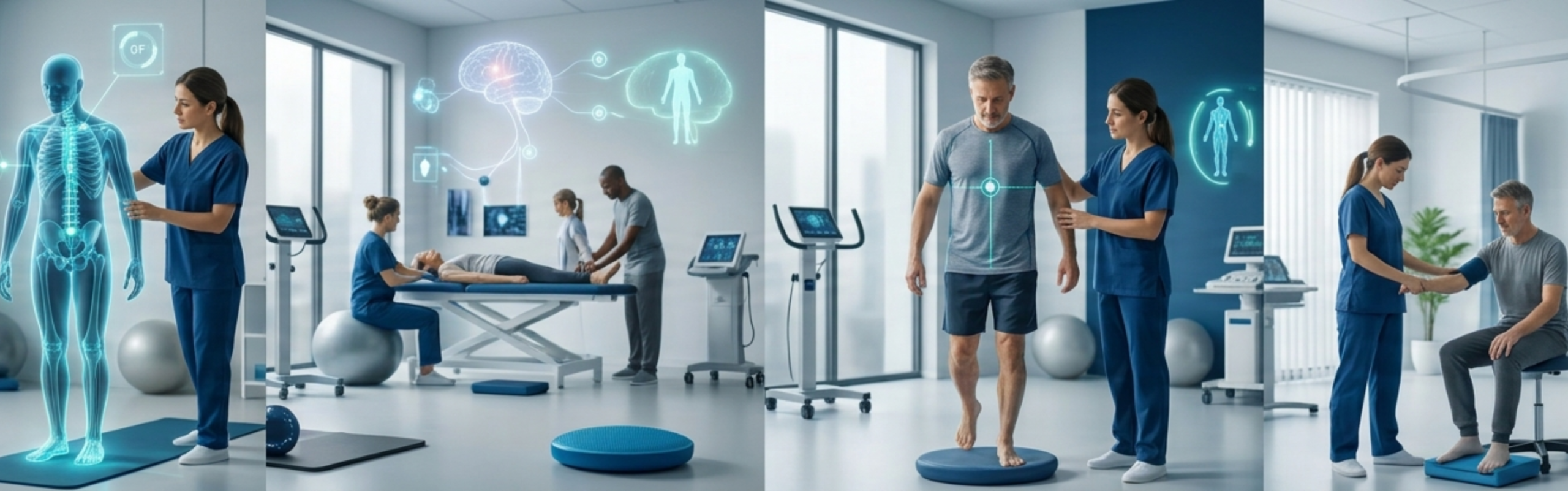
A भौतिक चिकित्सा आकलन संतुलन समस्याओं और आंदोलन कठिनाइयों के अंतर्निहित कारण की पहचान करने में मदद करता है।
- संतुलन और gait विश्लेषण
- मुद्रा मूल्यांकन
- स्नायु शक्ति परीक्षण
- समन्वय आकलन
- वेस्टिबुलर फंक्शन परीक्षण
निष्कर्षों के आधार पर, एक व्यक्तिगत भौतिक चिकित्सा उपचार योजना संतुलन, समन्वय, गतिशीलता और समग्र सुरक्षा में सुधार के लिए डिज़ाइन की गई है।
बैलेंस की हानि के लिए उपचार विकल्प
फिजियोथेरेपी उपचार स्थिरता में सुधार, मांसपेशियों को मजबूत करने, समन्वय बढ़ाने और गिरावट जोखिम को कम करने पर केंद्रित है।
- शेष प्रशिक्षण अभ्यास
- गेट प्रशिक्षण
- Vestibular पुनर्वास चिकित्सा
- व्यायाम को मजबूत करना
- समन्वय अभ्यास
- आसन सुधार
- कार्यात्मक गतिशीलता प्रशिक्षण
- पतन रोकथाम रणनीति
- कोर स्थिरता अभ्यास
उपचार योजनाओं को संतुलन विकारों से जुड़ी गंभीरता, कारण और कार्यात्मक सीमाओं के अनुसार अनुकूलित किया जाता है।
रोकथाम और रिकवरी युक्तियाँ
शेष समस्याओं को कम करने और गिरने से रोकने के लिए:
- ताकत और समन्वय में सुधार के लिए नियमित रूप से व्यायाम करें
- अच्छा आसन बनाए रखें
- सहायक जूते का उपयोग करें
- बाधाओं से मुक्त रहने की जगह रखें
- घर की रोशनी में सुधार
- अंतर्निहित चिकित्सा स्थितियों का प्रबंधन
प्रारंभिक भौतिक चिकित्सा हस्तक्षेप स्थिरता, आत्मविश्वास, गतिशीलता और स्वतंत्रता को बेहतर बनाने में मदद कर सकता है।
अक्सर पूछे जाने वाले प्रश्न
क्या संतुलन की हानि का कारण बनता है?
संतुलन के नुकसान के परिणामस्वरूप आंतरिक कान विकार, मांसपेशियों की कमजोरी, तंत्रिका संबंधी स्थिति, चक्कर, स्ट्रोक, खराब समन्वय, चोट या उम्र से संबंधित परिवर्तन हो सकते हैं।
क्या भौतिक चिकित्सा संतुलन समस्याओं के साथ मदद कर सकता है?
हाँ। फिजियोथेरेपी व्यक्तिगत पुनर्वास कार्यक्रमों के माध्यम से संतुलन, समन्वय, मांसपेशी शक्ति, चलने की क्षमता और समग्र स्थिरता में सुधार करने में मदद करती है।
आमतौर पर किस उपचार का उपयोग संतुलन के नुकसान के लिए किया जाता है?
सामान्य भौतिक चिकित्सा उपचार में शामिल हैं:बैलेंस प्रशिक्षण व्यायामVestibular पुनर्वासGait प्रशिक्षणStrengthening व्यायाम समन्वय प्रशिक्षणकोर स्थिरता व्यायामफॉल रोकथाम कार्यक्रमकार्यात्मक गतिशीलता प्रशिक्षण
वेस्टिबुलर पुनर्वास चिकित्सा क्या है?
Vestibular पुनर्वास थेरेपी (VRT) एक विशेष भौतिक चिकित्सा उपचार है जिसका उपयोग चक्कर आना, चक्कर आना और आंतरिक कान विकारों के कारण संतुलन की समस्याओं को कम करने के लिए किया जाता है।
कितनी देर तक बैलेंस की समस्याओं से वसूली होती है?
रिकवरी समय स्थिति के कारण और गंभीरता पर निर्भर करता है। कुछ व्यक्ति सप्ताह के भीतर सुधार करते हैं, जबकि न्यूरोलॉजिकल या वेस्टिबुलर स्थितियों को लंबे समय तक पुनर्वास की आवश्यकता हो सकती है।