
What Is Shortwave Diathermy (SWD)?
Muscle pain, joint stiffness, chronic inflammation, soft tissue injuries, and restricted mobility can significantly interfere with daily activities and overall quality of life. Shortwave Diathermy (SWD) is an advanced electrotherapy modality that has become an effective treatment in modern physiotherapy. It is widely used for pain relief, deep tissue heating, muscle relaxation, improved circulation, and rehabilitation. By delivering high-frequency electromagnetic energy to targeted tissues, Shortwave Diathermy generates therapeutic heat that promotes healing, reduces pain, and enhances tissue flexibility.
At PhysioExpert, we recognize that effective rehabilitation often requires advanced therapeutic modalities alongside exercise and manual therapy. Our approach to Shortwave Diathermy combines evidence-based physiotherapy protocols with modern electrotherapy technology to provide safe, controlled, and highly personalized care. Whether you are managing chronic musculoskeletal pain, recovering from injury, or experiencing persistent joint stiffness, Shortwave Diathermy can be a valuable addition to your rehabilitation program.
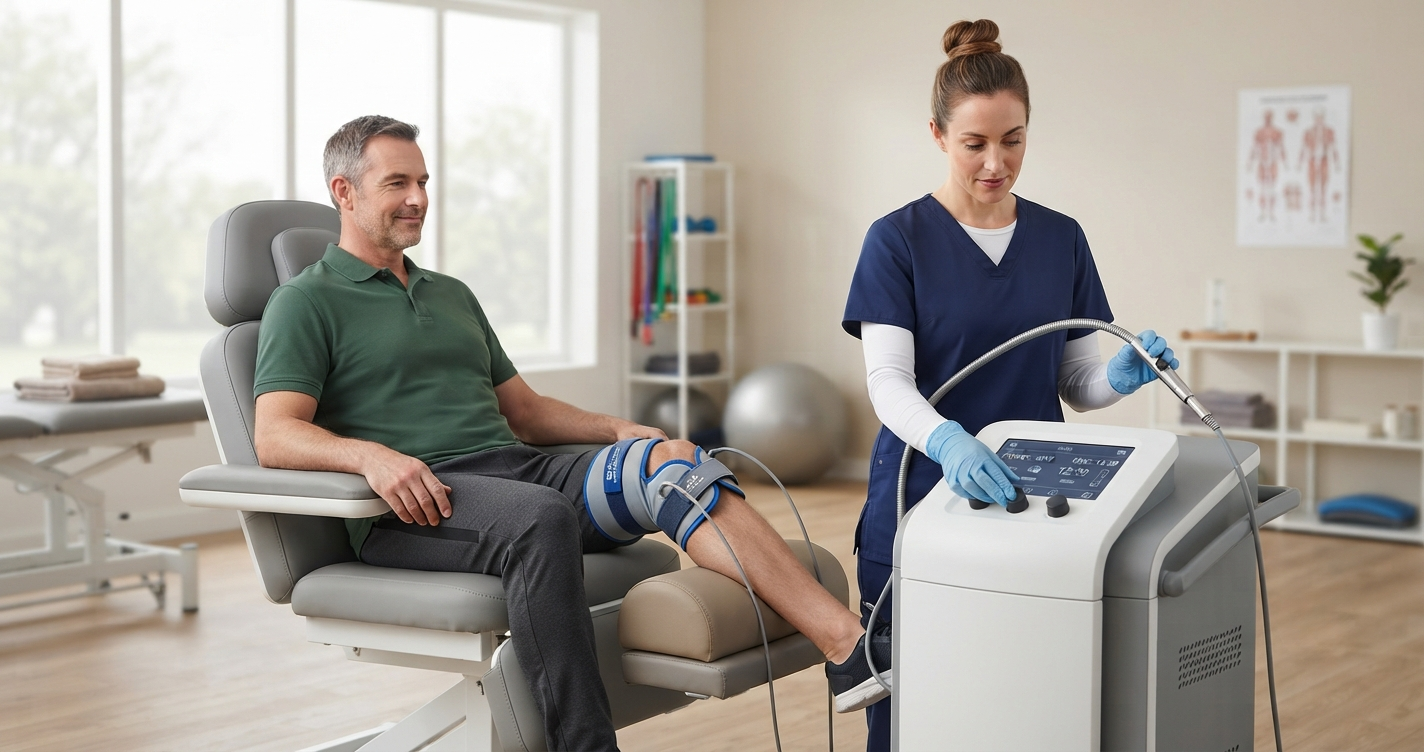
Shortwave Diathermy involves the use of high-frequency electromagnetic waves to produce deep heating within muscles, joints, ligaments, and connective tissues. This therapeutic heat increases blood circulation, improves tissue metabolism, reduces muscle spasm, relieves pain, and accelerates the body’s natural healing process.
Unlike superficial heat therapies, Shortwave Diathermy delivers deep tissue heating that reaches structures beneath the skin, making it particularly effective for chronic musculoskeletal conditions requiring enhanced tissue healing and flexibility.
In modern physiotherapy, Shortwave Diathermy is frequently integrated into Orthopedic Rehab, Sports Physiotherapy, Pain Management, Post-Surgical Rehabilitation, and Mobility Enhancement programs. It is particularly beneficial for patients experiencing chronic pain, joint stiffness, muscle spasms, and soft tissue injuries.
The Core Objectives of Shortwave Diathermy (SWD)
The goal of a Shortwave Diathermy session at PhysioExpert extends beyond temporary symptom relief. It is designed to create lasting improvements in musculoskeletal health and functional recovery. The primary objectives include:
Improving Blood Circulation:
Enhanced circulation delivers oxygen and nutrients to promote tissue repair.
Reducing Pain:
Deep therapeutic heating helps decrease pain and discomfort.
Relieving Muscle Spasms:
Heat relaxes muscles and reduces muscular tightness.
Increasing Tissue Flexibility:
Improves the extensibility of muscles, tendons, ligaments, and joint capsules.
Accelerating Tissue Healing:
Stimulates cellular activity and supports faster recovery.
Supporting Rehabilitation:
Enhances the effectiveness of exercise therapy and manual physiotherapy interventions.
Types of Shortwave Diathermy Used in Physiotherapy
Continuous Shortwave Diathermy (CSWD)
Delivers continuous electromagnetic energy to produce deep tissue heating, commonly used for chronic pain, stiffness, and muscle tightness.
Pulsed Shortwave Diathermy (PSWD)
Delivers electromagnetic energy in pulses with minimal heat production, making it suitable for acute injuries, inflammation, and tissue healing.
Capacitive Method
Uses capacitor plates to heat superficial muscles and soft tissues located closer to the skin surface.
Inductive Method
Uses induction coils to generate deeper heating, particularly effective for muscles and highly vascular tissues.
Drum (Monode) Method
Uses a drum-shaped applicator that emits electromagnetic energy without direct skin contact, providing uniform heating over a localized treatment area. It is commonly used to treat joint pain, muscle spasms, soft tissue injuries, and localized musculoskeletal conditions.
Physiological Effects of Shortwave Diathermy (SWD)
Shortwave Diathermy works through several important physiological mechanisms:
Deep Tissue Heating:
Increases temperature within muscles and connective tissues.
Muscle Relaxation:
Reduces muscle spasm and excessive muscular tension.
Pain Modulation:
Decreases pain by influencing nerve conduction and improving tissue healing.
Enhanced Cellular Metabolism:
Stimulates tissue repair and regeneration.
Improved Connective Tissue Extensibility:
Increases flexibility of muscles, tendons, ligaments, and joint capsules.
Conditions Treated with Shortwave Diathermy (SWD)
Shortwave Diathermy can be highly effective for:
A
Chronic Neck & Back Pain
B
Frozen Shoulder
C
Osteoarthritis
D
Muscle Spasms
E
Tendinitis & Tendinopathy
F
Sports Injuries & Muscle Recovery
G
Post-Surgical Rehabilitation
Contraindications: When to Avoid Shortwave Diathermy (SWD)
Although generally safe when administered by trained professionals, Shortwave Diathermy may be contraindicated in certain cases:
A
Pregnancy
B
Pacemakers or Implanted Electronic Devices
C
Metal Implants in the Treatment Area (unless deemed safe)
D
Active Bleeding or Hemorrhage
E
Malignancy in the Treatment Area
F
Acute Infection or Open Wounds
Integrating Advanced Technology in Shortwave Diathermy (SWD)
At PhysioExpert, we enhance rehabilitation through advanced Shortwave Diathermy systems by incorporating:
Precision Electrotherapy Equipment:
Delivering controlled electromagnetic energy based on the patient's condition and treatment goals.
Functional Rehabilitation Integration
Combining Shortwave Diathermy with therapeutic exercises, stretching, and manual therapy.
Multi-Modal Physiotherapy:
Integrating Shortwave Diathermy with ultrasound therapy, TENS, IFT, manual therapy, and strengthening exercises for comprehensive rehabilitation.
The PhysioExpert Approach to Shortwave Diathermy (SWD)
Our patient-centered rehabilitation model includes:
Assessment:
Identifying pain sources, tissue involvement, mobility limitations, and rehabilitation needs.
Treatment Customization:
Selecting the most appropriate Shortwave Diathermy settings based on the patient's diagnosis and treatment goals.
Functional Integration:
Combining Shortwave Diathermy with strengthening, flexibility training, posture correction, and movement retraining.
Recovery Education:
Providing home-care strategies, activity modification, and exercise programs to maintain long-term treatment benefits.
FREQUENTLY ASKED QUESTIONS
Is Shortwave Diathermy painful?
No. Most patients experience a gentle, comfortable warming sensation during treatment without pain or discomfort.
How long does a session last?
Sessions usually last between 15–30 minutes, depending on the condition being treated and the treatment protocol.
Can Shortwave Diathermy help with arthritis?
Yes. It is commonly used to reduce pain, improve joint mobility, relieve stiffness, and enhance function in patients with osteoarthritis and other chronic joint conditions.
Is Shortwave Diathermy safe?
Yes. When performed by qualified physiotherapists using evidence-based protocols and proper safety precautions, Shortwave Diathermy is a safe and effective treatment.
Can athletes benefit from Shortwave Diathermy?
Yes. Shortwave Diathermy is widely used in sports rehabilitation to promote muscle relaxation, accelerate tissue healing, improve flexibility, and support recovery from sports-related injuries.
Experience Advanced Healing with PhysioExpert
Shortwave Diathermy is more than a deep heating modality—it is a modern, evidence-based rehabilitation treatment that supports pain relief, tissue healing, and mobility restoration. By combining advanced electrotherapy technology with personalized physiotherapy strategies, we help patients recover faster, move better, and achieve long-term musculoskeletal health.
If you are experiencing chronic pain, muscle tightness, joint stiffness, sports injuries, or recovering from surgery, PhysioExpert is ready to provide specialized Shortwave Diathermy (SWD) solutions designed to optimize your recovery, restore movement, and improve your quality of life.

