

What Is Dynamic Compression Therapy?
Swelling, poor circulation, muscle fatigue, delayed recovery, and lymphatic congestion can significantly impact mobility, athletic performance, and overall health. Dynamic Compression Therapy (DCT) is an advanced recovery treatment that uses controlled pneumatic compression to improve blood circulation, stimulate lymphatic drainage, reduce swelling, and accelerate tissue recovery. Through sequential air pressure applied to specialized compression garments, Dynamic Compression Therapy supports faster healing and enhances physical performance.
At PhysioExpert, we understand that optimal recovery is just as important as effective treatment. Our Dynamic Compression Therapy combines advanced compression technology with evidence-based physiotherapy protocols to provide safe, comfortable, and personalized rehabilitation. Whether you are recovering from surgery, managing lymphedema, experiencing sports-related muscle fatigue, or seeking improved circulation, Dynamic Compression Therapy can be an essential part of your recovery program.
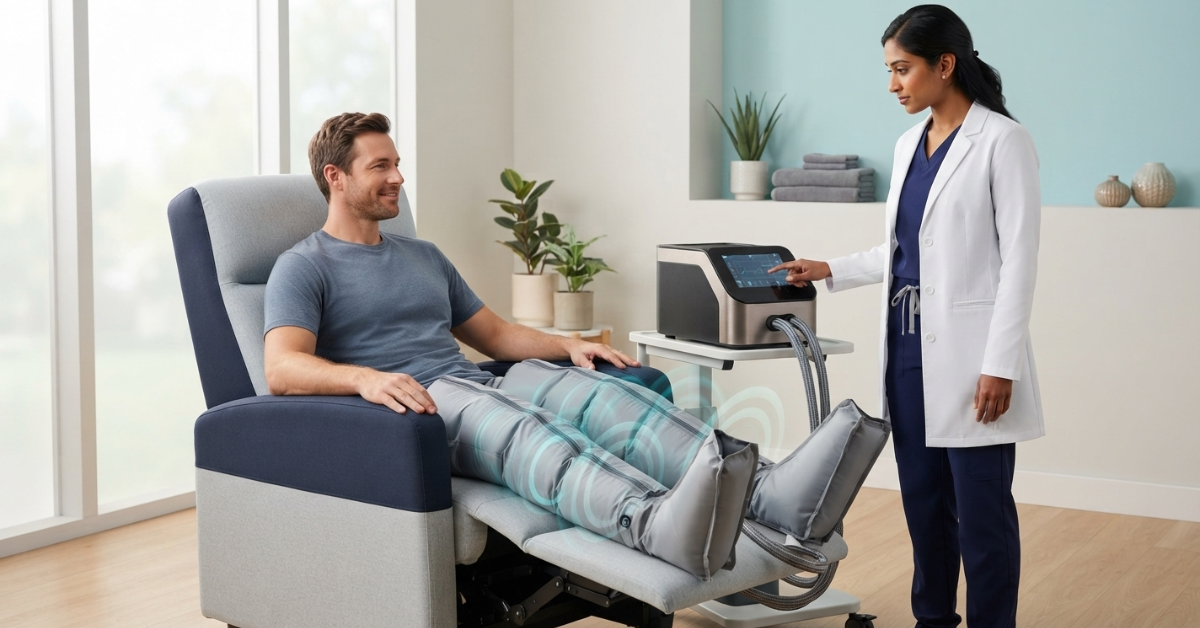
Dynamic Compression Therapy involves the use of inflatable sleeves or boots connected to a pneumatic compression device. These garments inflate and deflate in a sequential pattern, creating gentle pressure that encourages venous blood flow and lymphatic fluid movement. This process helps eliminate metabolic waste, reduce fluid retention, improve oxygen delivery, and accelerate the body’s natural recovery mechanisms.
Unlike static compression garments that provide constant pressure, Dynamic Compression Therapy delivers rhythmic, graduated compression that actively stimulates circulation and lymphatic function for more effective recovery.
In modern physiotherapy, Dynamic Compression Therapy is frequently integrated into Sports Physiotherapy, Orthopedic Rehabilitation, Post-Surgical Recovery, Lymphedema Management, and Vascular Rehabilitation programs. It is particularly beneficial for patients experiencing swelling, muscle soreness, circulation problems, or prolonged physical fatigue.
The Core Objectives of Dynamic Compression Therapy
The goal of a Dynamic Compression Therapy session at PhysioExpert extends beyond temporary symptom relief. It is designed to improve circulation, reduce swelling, and promote long-term tissue recovery. The primary objectives include:
Improving Blood Circulation:
Enhances venous return and oxygen delivery to tissues.
Reducing Swelling:
Promotes the removal of excess fluid from affected limbs.
Stimulating Lymphatic Drainage:
Supports efficient movement of lymphatic fluid and reduces congestion.
Accelerating Muscle Recovery:
Helps reduce muscle soreness following exercise or injury.
Reducing Post-Surgical Edema:
Assists in managing swelling after orthopedic procedures.
Supporting Physical Performance:
Promotes faster recovery between training sessions and physical activities.
Types of Dynamic Compression Therapy Used in Physiotherapy
Sequential Compression Therapy
Graduated air chambers inflate from the distal to proximal part of the limb to promote healthy blood and lymphatic flow.
Intermittent Pneumatic Compression (IPC)
Alternating cycles of inflation and deflation help reduce swelling and improve circulation in the affected area.
Recovery Compression Boots
Specialized lower-limb compression systems commonly used by athletes to relieve muscle fatigue and speed recovery.
Arm Compression Therapy
Designed for upper-limb rehabilitation and management of lymphedema, post-surgical swelling, and circulation disorders.
Full Limb Compression Therapy
Provides comprehensive compression for the entire limb to enhance vascular and lymphatic function.
Physiological Effects of Dynamic Compression Therapy
Dynamic Compression Therapy works through several important physiological mechanisms:
Enhanced Venous Return:
Improves blood flow back to the heart and reduces venous pooling.
Lymphatic Drainage Activation:
Encourages efficient removal of excess tissue fluid.
Reduced Edema:
Minimizes swelling and improves limb comfort.
Improved Oxygen Delivery:
Increases circulation to support tissue healing.
Metabolic Waste Removal:
Assists in clearing by-products associated with muscle fatigue.
Conditions Treated with Dynamic Compression Therapy
Dynamic Compression Therapy can be highly effective for:
A
Lymphedema
B
Post-Surgical Swelling
C
Sports Recovery
D
Chronic Venous Insufficiency
E
Lower Limb Edema
F
Delayed Recovery After Exercise
G
Circulatory Disorders
Contraindications: When to Avoid Dynamic Compression Therapy
Although generally safe when administered by trained professionals, Dynamic Compression Therapy may be contraindicated in certain cases:
A
Acute Deep Vein Thrombosis (DVT)
B
Severe Congestive Heart Failure
C
Active Skin Infections
D
Severe Peripheral Arterial Disease
E
Uncontrolled Hypertension
F
Acute Cellulitis
Integrating Advanced Technology in Dynamic Compression Therapy
At PhysioExpert, we enhance Dynamic Compression Therapy through:
Programmable Pneumatic Compression Systems:
Delivering adjustable pressure levels tailored to each patient's condition and comfort.
Functional Rehabilitation Integration:
Combining compression therapy with mobility exercises, strengthening, and gait training to improve recovery.
Multi-Modal Physiotherapy:
Integrating Dynamic Compression Therapy with manual lymphatic drainage, therapeutic exercise, electrotherapy, cryotherapy, and post-operative rehabilitation for comprehensive care.
The PhysioExpert Approach to Dynamic Compression Therapy
Our patient-centered rehabilitation model includes:
Assessment:
Evaluating swelling, circulation, limb function, mobility, and rehabilitation requirements.
Treatment Customization:
Selecting the most appropriate compression settings, treatment duration, and recovery protocol based on the patient's condition.
Functional Integration:
Combining Dynamic Compression Therapy with movement training, strengthening exercises, and rehabilitation programs.
Recovery Education:
Providing guidance on limb care, exercise progression, compression garment use, and lifestyle modifications to maintain long-term results.
FREQUENTLY ASKED QUESTIONS
Is Dynamic Compression Therapy painful?
No. Most patients experience a gentle, rhythmic squeezing sensation that is comfortable and relaxing throughout the session.
How long does a session last?
Sessions usually last between 20–45 minutes, depending on the treatment goals and the condition being managed.
Can athletes benefit from Dynamic Compression Therapy?
Yes. It is widely used by athletes to reduce muscle soreness, improve recovery, and prepare for future training or competition.
Is Dynamic Compression Therapy safe?
Yes. When administered by qualified professionals after appropriate assessment, it is a safe and effective treatment for circulation, swelling, and recovery-related conditions.
How many sessions will I need?
The number of sessions depends on your diagnosis, severity of symptoms, and rehabilitation goals. Your physiotherapist will recommend an individualized treatment plan.
Experience Advanced Healing with PhysioExpert
Dynamic Compression Therapy is more than a recovery treatment, it is an advanced rehabilitation solution that enhances circulation, reduces swelling, and supports faster tissue recovery. By combining innovative compression technology with personalized physiotherapy programs, PhysioExpert helps patients recover efficiently, improve mobility, and return to their daily activities with greater comfort and confidence.
If you are experiencing swelling, poor circulation, muscle fatigue, post-surgical edema, or sports-related recovery challenges, PhysioExpert is ready to provide specialized Dynamic Compression Therapy solutions designed to accelerate healing, restore function, and optimize your overall recovery.

