

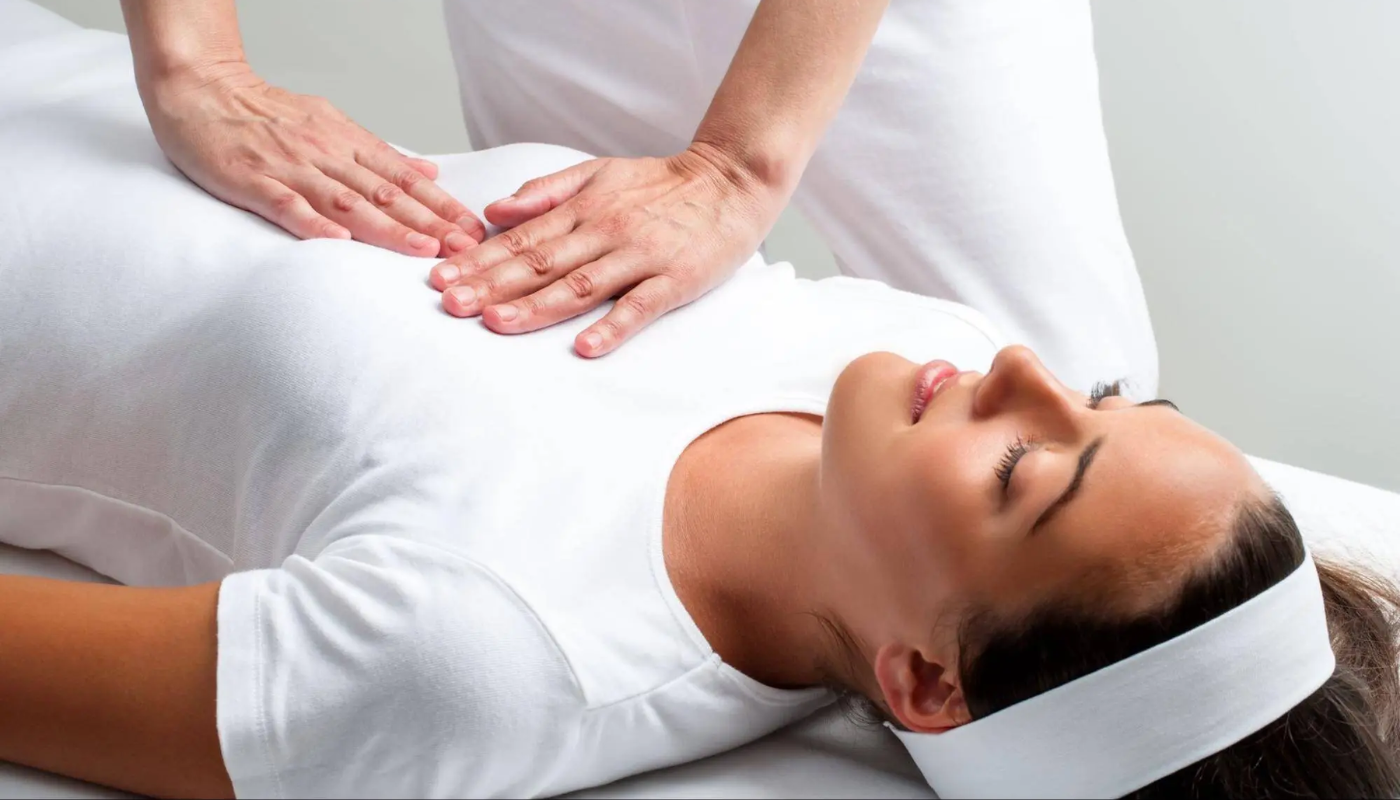
What Is Chest Physiotherapy (CPT)?
Respiratory health is the very foundation of vitality. When the lungs are compromised by secretions, inflammation, or structural issues, every other system in the body suffers. Chest Physiotherapy (CPT), also known as Respiratory Physiotherapy, is a specialized branch of physical therapy designed to improve lung efficiency, facilitate airway clearance, and maximize oxygenation.
At PhysioExpert, we recognize that breathing is not just a biological necessity but a key to a high-quality, active life. Our approach to Chest Physiotherapy combines traditional manual techniques with modern pulmonary rehabilitation protocols. Whether you are recovering from surgery, managing a chronic condition like COPD, or seeking to improve your athletic lung capacity.
Chest Physiotherapy is a multifaceted therapeutic process aimed at improving respiratory function through the clearance of secretions from both large and small airways and the re-expansion of non-ventilated lung segments. Unlike many medical interventions that rely solely on pharmacology, CPT is a physical and mechanical intervention. It utilizes gravity, manual force, and specific pressure gradients to mobilize mucus, allowing it to be coughed up or suctioned out.
In modern healthcare, CPT is often the first line of defense in the intensive care unit (ICU) and a cornerstone of Geriatric Rehab for seniors with weakened respiratory muscles. It prevents the pooling of fluids in the lungs, which is the primary cause of hospital-acquired pneumonia and atelectasis (lung collapse).
The Core Objectives of Chest Physiotherapy
The goal of a respiratory session at PhysioExpert is not just “clearing a cough.” It is a systemic optimization of the pulmonary environment. The primary objectives include:
Improving Ventilation-Perfusion (V/Q) Matching: By clearing obstructions, CPT ensures that air reaches the alveoli where gas exchange occurs.
Reducing Airway Resistance: When secretions block the larger airways, the heart and lungs must work significantly harder to move air. Clearing these paths reduces the total “Work of Breathing” (WOB).
Increasing Lung Compliance: A “stiff” lung is hard to inflate. By re-expanding collapsed areas, we improve the lung’s elasticity.
Preventing Postoperative Complications: Surgery, particularly abdominal or thoracic, often leads to shallow breathing. CPT is vital to prevent post-op lung infections.
Enhancing Exercise Tolerance: For chronic patients, better lung mechanics lead to improved stamina and reduced fatigue during daily activities.
Techniques Used Under Chest Physiotherapy
Breathing Exercises & Ventilatory Training
At PhysioExpert, we believe that how you breathe determines how you live. We utilize several specific techniques:
Diaphragmatic Breathing
The diaphragm is the primary muscle of inspiration. Many people, especially those with Chronic Pain, become “chest breathers,” using accessory neck and shoulder muscles. This is inefficient. Diaphragmatic breathing trains the patient to use the lower lungs, which improves gas exchange and has a secondary effect of calming the nervous system.
Incentive Spirometry
This involves using a mechanical device that provides visual feedback. It encourages the patient to take long, slow, deep breaths to reach a “maximal inspiratory volume.” It is arguably the most important tool for patients confined to bed after Orthopedic Rehab procedures.
Pursed Lip Breathing
Commonly taught to patients with COPD or Asthma, this technique involves inhaling through the nose and exhaling slowly through puckered lips. This creates “backpressure” in the airways, preventing them from collapsing during exhalation and allowing more CO2 to escape.
Glossopharyngeal Breathing (GPB)
Often called “frog breathing,” this technique uses the tongue and pharyngeal muscles to “gulp” air into the lungs. It is a life-saving skill for patients with high spinal cord injuries or severe muscle weakness who cannot take a deep breath naturally.
Airway Clearance Techniques (ACT)
Postural Drainage (PD)
Gravity is a physiotherapist’s best friend. By placing the patient in specific positions—often with the head slightly lower than the chest—we allow gravity to pull secretions from the peripheral segments of the lungs toward the central airways.
Coughing and Huffing
A normal cough is a complex reflex. For many patients, we teach the “Huff” (forced expiratory technique). A huff is like fogging up a mirror; it keeps the airways open longer than a traditional cough, making it more effective for moving deep mucus.
Positive Expiratory Pressure (PEP) Therapy
PEP devices provide resistance during exhalation. This builds up pressure behind the mucus, “pushing” it out of the smaller airways so it can be expectorated.
Manual Maneuvers: Percussion & Vibration
Percussion (Clapping)
Our therapists use cupped hands to rhythmically “clap” over the lung segments. This is not a slap; it creates an air cushion that sends energy waves through the chest wall to “shake” the mucus loose from the bronchial walls.
Vibration
Vibration is a finer, more oscillatory movement performed during the exhalation phase. It further thins the mucus and moves it toward the larger bronchi. While manual vibration is common, we also utilize mechanical vibrators for patients with chronic conditions like Cystic Fibrosis.
The PhysioExpert Approach to Pulmonary Rehab
Lung care is not a one-size-fits-all solution. At PhysioExpert, our protocol follows a specific hierarchy:
1. Assessment: We begin with auscultation (listening with a stethoscope) to identify exactly where secretions are trapped. We also monitor SpO2 (oxygen saturation) and respiratory rate.
2. Positioning: We optimize the patient’s position for maximal comfort and gravity-assisted drainage.
3. Mobilization: Whenever possible, we combine chest techniques with movement. Walking or even sitting up can significantly increase lung volume.
4. Education: We empower our patients with a “Home Lung Plan,” teaching them how to manage episodes of breathlessness independently.
Conditions Treated with Chest Physiotherapy
Chest Physiotherapy is essential for any condition where cough is insufficient to clear localized secretions:
A) Asthma: Managing mucus plugs during and after exacerbations.
B) COPD (Emphysema/Bronchitis): Reducing the chronic accumulation of sputum.
C) Cystic Fibrosis: A lifelong requirement for airway clearance.
D) Pneumonia & Lung Abscess: Accelerating the resolution of infection.
E) Atelectasis: Re-inflating collapsed lung tissue after surgery or prolonged bed rest.
F) Post-Surgical Recovery: Essential after Laminectomy or Total Hip Replacement to prevent respiratory failure due to inactivity.
Contraindications: When to Avoid CPT
While highly beneficial, CPT is a vigorous intervention. It is contraindicated or must be modified in the following scenarios:
A) Unstable Vitals: Extremely high/low blood pressure or irregular heart rhythms.
B) Active Hemoptysis: Bleeding from the lungs.
C) Recent Rib Fractures: Percussion could cause further trauma or a flail chest.
D) Active Tuberculosis: Risk of spreading the infection and causing lung tissue rupture.
E) Increased Intracranial Pressure (ICP): Head-down postural drainage is strictly avoided in patients with recent brain injuries.
F) Recent Spinal Surgery: Specific positions may be restricted after procedures like Sacralization correction.
Integrating Technology in Lung Care
At PhysioExpert, we leverage modern advancements to enhance traditional CPT:
1) Mechanical Percussors: These provide consistent, high-frequency oscillations that are often more effective than manual clapping for deep-seated secretions.
2) Acapella/Flutter Devices: These handheld tools combine PEP therapy with high-frequency vibrations during exhalation.
3) Biofeedback Spirometry: Digital spirometers that allow patients to track their progress on their smartphones, increasing motivation.
FREQUENTLY ASKED QUESTIONS
1. Is Chest Physiotherapy painful?
2. How long does a typical session last?
3. Can I do Chest Physiotherapy at home?
4. Why is it important after orthopedic surgery?
5. Does it help with “smoker’s cough”?
Breathing Easier with PhysioExpert
Chest Physiotherapy is more than a clinical procedure; it is a vital support system for the body’s most essential function. By combining gravity, manual skill, and patient education, we help you clear the path to better health.
If you or a loved one is struggling with breathlessness, chronic cough, or recovering from a major surgery, do not wait for complications to arise. At PhysioExpert, our team is ready to provide the specialized lung care you need to breathe deeply and live fully.

