

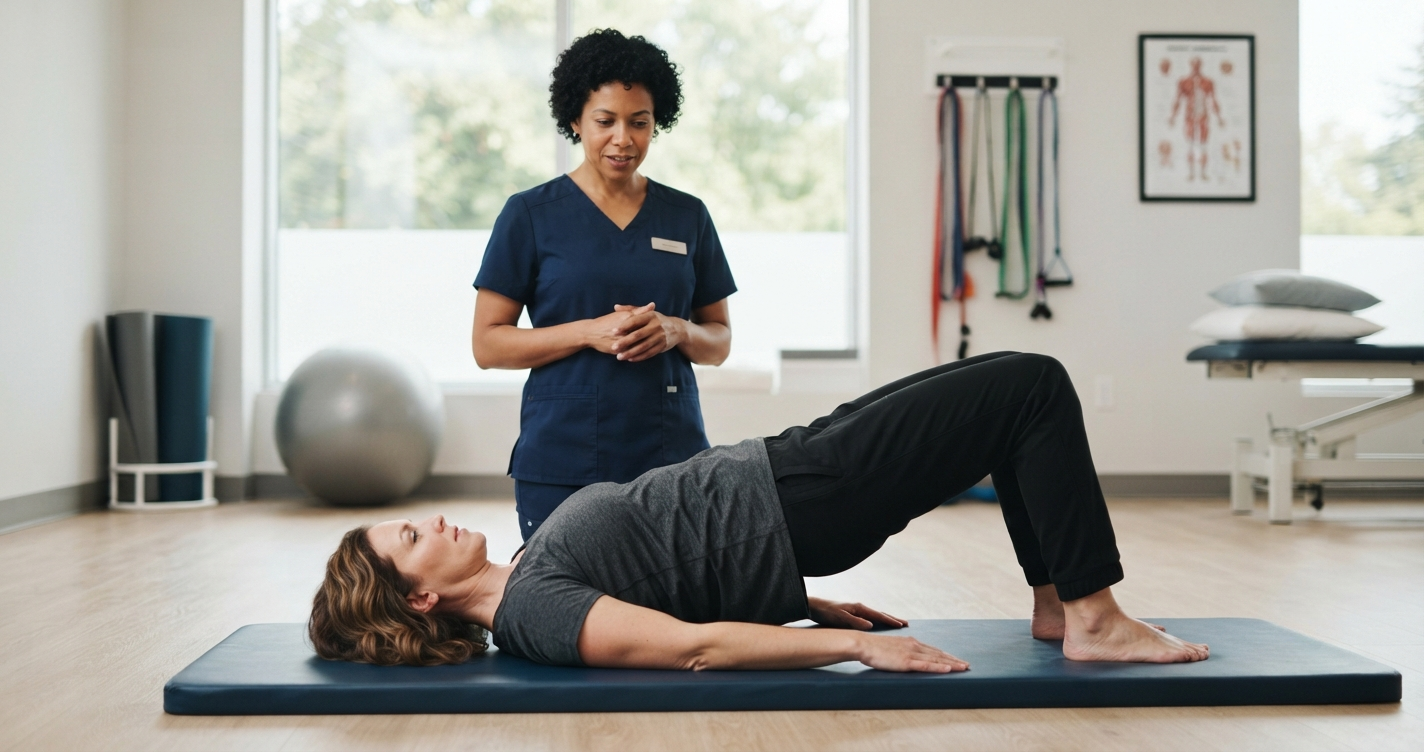
What Is Pelvic Floor Physical Therapy?
Pelvic pain, urinary incontinence, bowel dysfunction, pelvic organ prolapse, pregnancy-related discomfort, and postpartum weakness can significantly affect daily activities, confidence, and overall quality of life. Pelvic Floor Physical Therapy is a specialized physiotherapy service that focuses on assessing and treating the muscles, ligaments, connective tissues, and nerves of the pelvic floor. It is widely used for pain relief, bladder and bowel control, pelvic stability, pregnancy care, postpartum rehabilitation, and improving overall pelvic health. Through evidence-based assessment and individualized treatment, Pelvic Floor Physical Therapy helps restore normal muscle function, reduce symptoms, and promote long-term recovery.
At PhysioExpert, we recognize that pelvic floor dysfunction requires specialized evaluation and compassionate care. Our approach to Pelvic Floor Physical Therapy combines advanced clinical expertise with evidence-based physiotherapy protocols to provide safe, confidential, and highly personalized treatment. Whether you are experiencing pelvic pain, recovering after childbirth, managing urinary leakage, or preparing for pregnancy, Pelvic Floor Physical Therapy can play a vital role in restoring your health and confidence.
Pelvic Floor Physical Therapy involves a comprehensive assessment of the pelvic floor muscles, posture, breathing mechanics, core stability, and movement patterns. Treatment may include pelvic floor muscle training, manual therapy, biofeedback, breathing exercises, posture correction, core strengthening, relaxation techniques, and patient education. These interventions improve muscle coordination, reduce pain, restore pelvic stability, and enhance bladder and bowel function.
Unlike medication-based symptom management, Pelvic Floor Physical Therapy addresses the underlying muscular and functional causes of pelvic floor dysfunction while promoting natural healing and long-term symptom relief.
In modern physiotherapy, Pelvic Floor Physical Therapy is frequently integrated into Women’s Health Physiotherapy, Pregnancy & Postpartum Rehabilitation, Orthopedic Rehab, Pain Management, and Core Stability programs. It is particularly beneficial for individuals experiencing pelvic pain, urinary or bowel dysfunction, postpartum weakness, or pelvic muscle imbalance.
The Core Objectives of Pelvic Floor Physical Therapy
The goal of a Pelvic Floor Physical Therapy session at PhysioExpert extends beyond temporary symptom relief. It is designed to create lasting improvements in pelvic health and functional recovery. The primary objectives include:
Strengthening Pelvic Floor Muscles:
Improves muscle strength, endurance, and coordination.
Reducing Pelvic Pain:
Relieves muscular tension and improves tissue function.
Improving Bladder Control:
Helps reduce urinary leakage, urgency, and frequency.
Enhancing Bowel Function:
Improves bowel control and reduces constipation-related dysfunction.
Supporting Pregnancy & Postpartum Recovery:
Restores pelvic stability and core function following childbirth.
Improving Core Stability:
Strengthens the connection between the pelvic floor, abdominal muscles, and diaphragm.
Types of Pelvic Floor Physical Therapy Used in Physiotherapy
Pelvic Floor Muscle Training
Targeted exercises designed to strengthen weak pelvic floor muscles and improve bladder and bowel control.
Pelvic Floor Relaxation Therapy
Techniques used to reduce excessive muscle tension, pelvic pain, and muscle overactivity.
Biofeedback Therapy
Uses specialized equipment to help patients visualize and improve pelvic floor muscle activation and relaxation.
Core Stabilization Training
Strengthens the abdominal muscles, diaphragm, and pelvic floor to improve stability and function.
Pregnancy & Postpartum Rehabilitation
Specialized treatment programs that address pregnancy-related discomfort, postpartum recovery, and pelvic floor dysfunction.
Physiological Effects of Pelvic Floor Physical Therapy
Pelvic Floor Physical Therapy works through several important physiological mechanisms:
Muscle Strengthening:
Improves pelvic floor muscle power and endurance.
Neuromuscular Re-education:
Restores proper muscle activation and coordination.
Improved Blood Circulation:
Enhances oxygen and nutrient delivery to healing tissues..
Core Stability Enhancement:
Improves coordination between the pelvic floor, abdominal muscles, and spine.
Functional Restoration:
Supports normal bladder, bowel, and sexual function.
Conditions Treated with Pelvic Floor Physical Therapy
Pelvic Floor Physical Therapy can be highly effective for:
A
Urinary Incontinence
B
Pelvic Organ Prolapse
C
Chronic Pelvic Pain
D
Pregnancy-Related Pelvic Pain
E
Postpartum Recovery
F
Diastasis Recti
G
Painful Intercourse (Dyspareunia)
Contraindications: When to Avoid Pelvic Floor Physical Therapy
Although generally safe when administered by trained professionals, Pelvic Floor Physical Therapy may be contraindicated in certain cases:
A
Acute Pelvic Infection
B
Active Vaginal or Urinary Tract Infection
C
Unexplained Vaginal Bleeding
D
Immediate Post-Surgical Restrictions Without Physician Approval
E
High-Risk Pregnancy Without Medical Clearance
F
Acute Pelvic Trauma
Integrating Advanced Technology in Pelvic Floor Physical Therapy
At PhysioExpert, we enhance Pelvic Floor Physical Therapy through:
Biofeedback Technology:
Providing real-time assessment and muscle retraining for improved treatment outcomes.
Functional Rehabilitation Integration:
Combining pelvic floor therapy with posture correction, breathing techniques, core strengthening, and movement training.
Multi-Modal Physiotherapy:
Integrating pelvic floor rehabilitation with manual therapy, therapeutic exercises, electrotherapy, and patient education for comprehensive care.
The PhysioExpert Approach to Pelvic Floor Physical Therapy
Our patient-centered rehabilitation model includes:
Assessment:
Identifying pelvic floor dysfunction, muscle weakness, pain sources, posture, breathing mechanics, and movement limitations.
Treatment Customization:
Selecting the most appropriate rehabilitation techniques based on the patient's condition and functional goals.
Functional Integration:
Combining pelvic floor rehabilitation with core strengthening, posture correction, flexibility training, and lifestyle modifications.
Recovery Education:
Providing home exercise programs, bladder and bowel health education, ergonomic advice, and long-term self-management strategies.
FREQUENTLY ASKED QUESTIONS
Is Pelvic Floor Physical Therapy painful?
Most treatments are gentle and comfortable. Your physiotherapist will explain every step and ensure your comfort throughout the session.
How long does a session last?
Sessions usually last between 30–60 minutes, depending on the condition being treated and the treatment plan.
Can Pelvic Floor Physical Therapy help after childbirth?
Yes. It is highly effective for restoring pelvic floor strength, improving core stability, reducing pain, and supporting postpartum recovery.
Is Pelvic Floor Physical Therapy safe?
Yes, when performed by qualified physiotherapists using evidence-based assessment and treatment techniques.
How many sessions will I need?
The number of sessions depends on your condition, symptom severity, and rehabilitation goals. Your physiotherapist will develop a personalized treatment plan after a comprehensive assessment.
Experience Advanced Healing with PhysioExpert
Pelvic Floor Physical Therapy is more than a rehabilitation service—it is a specialized, evidence-based approach to restoring pelvic health, improving bladder and bowel function, reducing pain, and enhancing overall quality of life. By combining individualized treatment with advanced physiotherapy techniques, we help patients recover with confidence and achieve long-term pelvic health.
If you are experiencing pelvic pain, urinary leakage, pregnancy-related discomfort, postpartum weakness, or pelvic floor dysfunction, PhysioExpert is ready to provide specialized Pelvic Floor Physical Therapy solutions designed to optimize your recovery, restore function, and improve your everyday well-being.

