

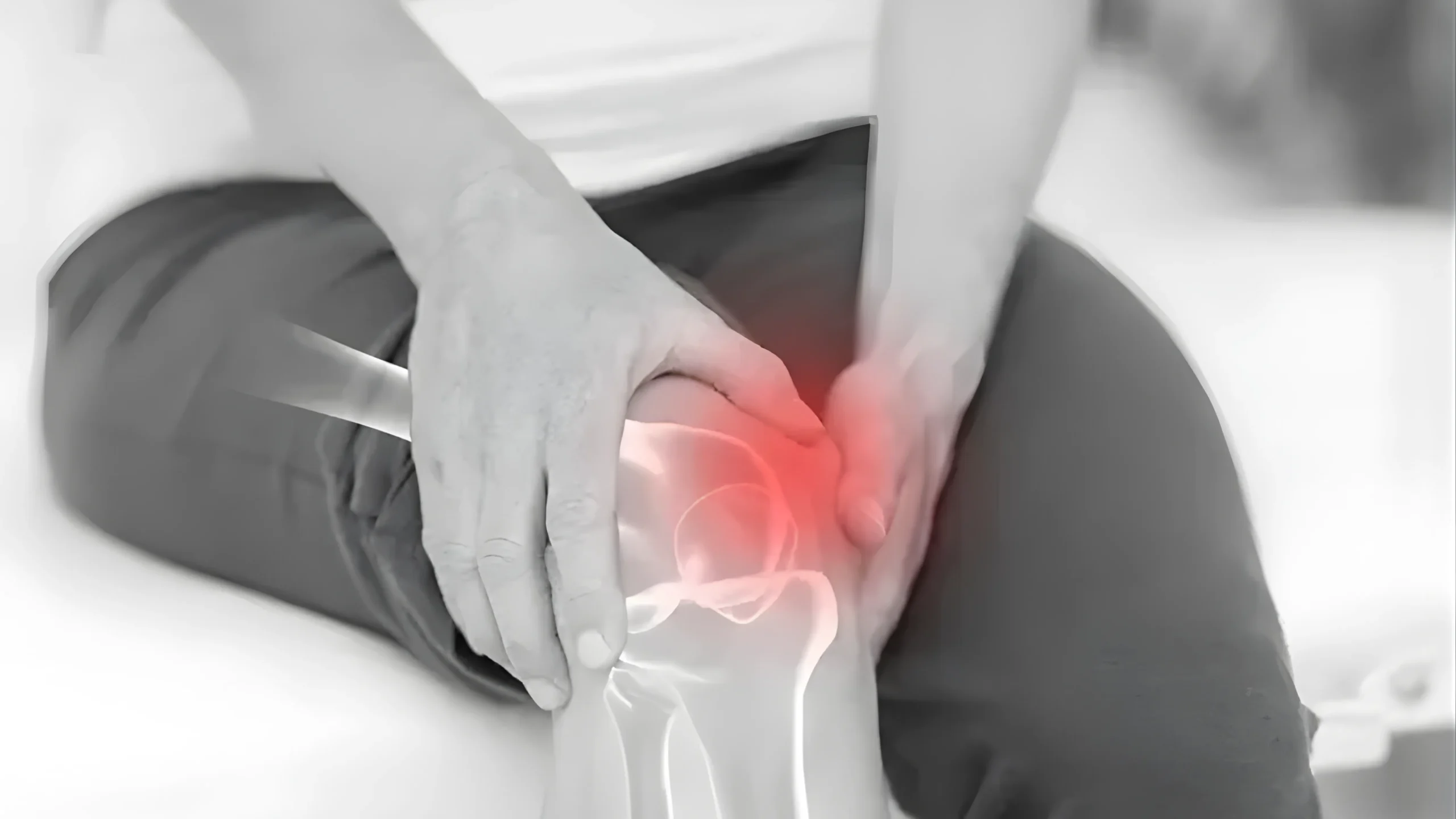
What is Knee Fracture?
Knee fracture is a serious orthopedic injury involving a break in one or more bones forming the knee joint, most commonly the patella (kneecap), distal femur, or proximal tibia. It usually results from high-impact trauma or direct force to the knee.
Unlike soft tissue injuries, a fracture disrupts the structural integrity of the joint and may significantly affect mobility, stability, and weight-bearing ability.
At Physiotherapy Expert, we approach knee fractures through Structured Rehabilitation and Joint Function Restoration. While initial management involves medical stabilization, our focus is on restoring movement, strength, and long-term joint health through progressive physiotherapy.
Understanding the Anatomy and Injury
The knee joint is formed by:
- Femur (thigh bone)
- Tibia (shin bone)
- Patella (kneecap)
These structures are supported by ligaments, cartilage, and muscles.
In a knee fracture:
- One or more bones are broken
- Joint alignment may be affected
- Surrounding soft tissues may also be injured
This leads to pain, swelling, and functional impairment.
Types of Knee Fracture
Knee fractures are classified based on the bone involved:
Patellar Fracture
- Break in the kneecap
- Affects knee extension
Distal Femur Fracture
- Fracture at the lower end of the femur
- Often caused by high-impact trauma
Tibial Plateau Fracture
- Involves the upper part of the tibia
- Affects weight-bearing surface
Open vs Closed Fracture
- Open: Bone breaks through the skin
- Closed: Skin remains intact
Understanding Severity and Functional Impact
Severity depends on fracture type and displacement:
- Stable Fracture: Bone remains aligned
- Displaced Fracture: Bone fragments are misaligned
- Comminuted Fracture: Bone is broken into multiple pieces
Severe fractures can significantly impair mobility and require surgical management.
Common Causes of Knee Fracture
High-Impact Trauma
– Road traffic accidents
– Falls from height
Sports Injuries
– Contact sports
– Sudden impact or twisting
Direct Blow to Knee
– Accidents or collisions
Bone Weakness
– Osteoporosis increases fracture risk
Symptoms: Recognizing the Signs
Knee fracture presents with clear and severe symptoms.
Pain Symptoms
- Intense pain around the knee
- Pain worsens with movement
Visible Signs
- Swelling and bruising
- Deformity (in severe cases)
Functional Symptoms
- Inability to bear weight
- Difficulty bending or straightening the knee
Severe Signs
- Open wound (in open fractures)
- Joint instability
Diagnosis: Clinical Approach
At Physiotherapy Expert, diagnosis involves:
- Physical Examination: Assess pain and deformity
- Imaging: X-ray to confirm fracture
- CT Scan/MRI: For detailed assessment
- Functional Evaluation: Post-stabilization
Physiotherapy Treatment: 12-Week Rehabilitation Protocol
Rehabilitation begins after medical stabilization or surgery.
Phase 1: Protection & Pain Management (Weeks 1–4)
Goals: Protect healing bone and reduce pain and swelling
Treatment includes:
- Immobilization (brace/cast)
- Cryotherapy
- Gentle non-weight-bearing exercises
Phase 2: Mobility & Strength Recovery (Weeks 4–8)
Goals: Restore joint movement and begin strengthening
Key interventions:
- Controlled range of motion exercises
- Isometric strengthening
- Gradual weight-bearing progression
Phase 3: Functional Recovery & Stability (Weeks 8–12)
Goals: Restore full knee function and improve strength and stability
Training includes:
- Functional exercises (squats, step-ups)
- Balance and proprioception training
- Gait training
Advanced Physiotherapy Techniques
- Neuromuscular Electrical Stimulation (NMES)
- Ultrasound therapy
- Joint mobilization techniques
- Strength and conditioning programs
Potential Complications
If not properly managed, knee fractures may lead to:
- Joint stiffness
- Muscle weakness
- Chronic pain
- Osteoarthritis
- Reduced mobility
FREQUENTLY ASKED QUESTIONS
Do all knee fractures require surgery?
No, stable fractures can be managed conservatively, while severe cases may need surgery.
When can I start walking?
Depends on fracture type; gradual weight-bearing is introduced during rehabilitation.
How long does recovery take?
Most patients recover within 10–12 weeks, but full strength may take longer.
Can I return to sports?
Yes, after full recovery and proper rehabilitation.
RELATED CONDITIONS
- Ligament Injury
- Meniscus Tear
- Osteoarthritis