

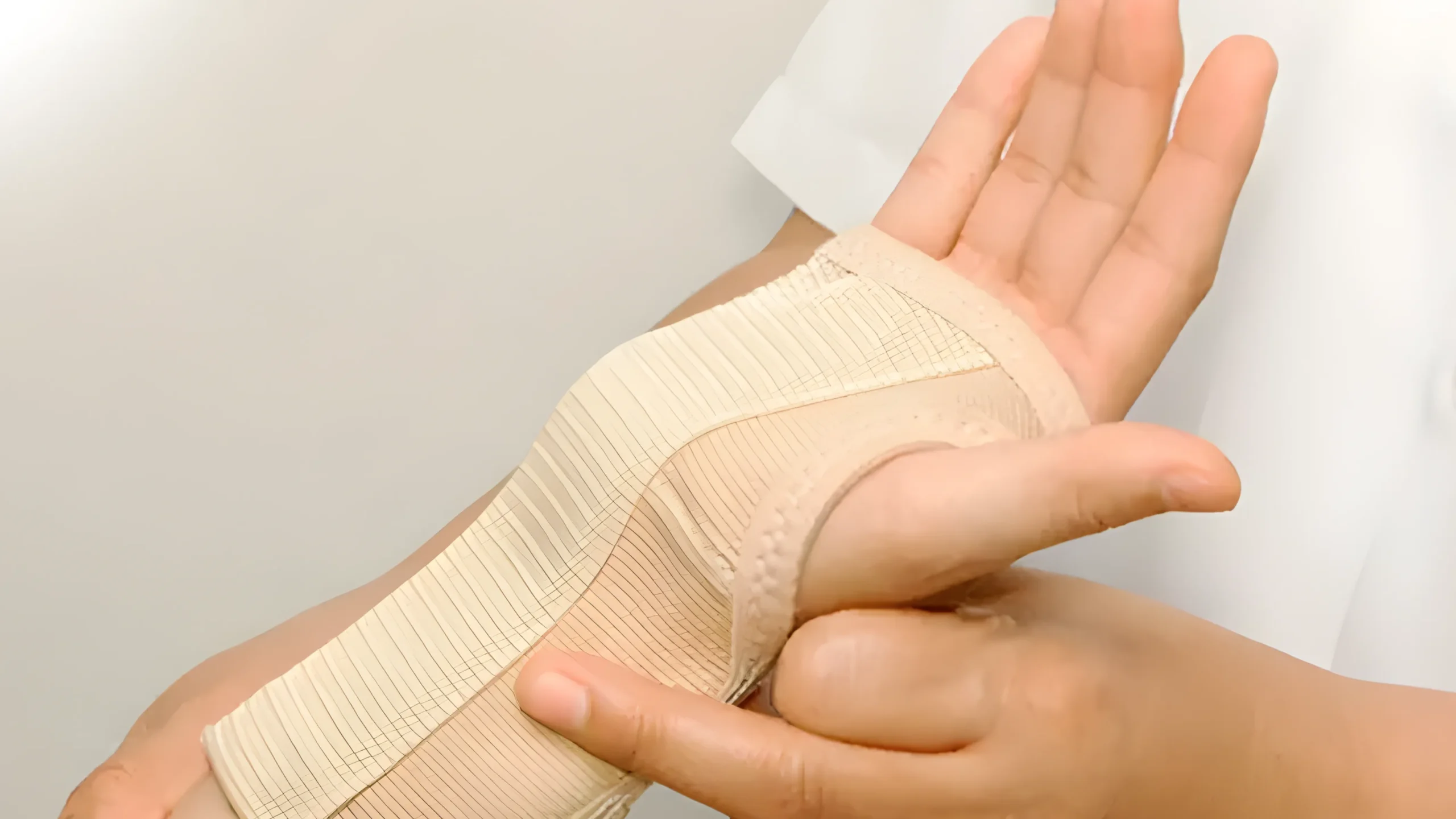
What is Carpal Tunnel Syndrome (CTS)?
Carpal Tunnel Syndrome (CTS) is a common nerve compression condition caused by pressure on the Median Nerve Injury as it passes through the carpal tunnel in the wrist. This tunnel is a narrow passage formed by bones and ligaments, and any swelling or structural change can compress the nerve.
CTS primarily affects hand sensation and function, leading to numbness, tingling, pain, and weakness, especially in the thumb, index, and middle fingers.
Unlike traumatic nerve injuries, CTS develops gradually and is often linked to repetitive hand use, poor ergonomics, or underlying medical conditions.
At Physiotherapy Expert, we approach CTS through Neurodynamic Mobilization and Ergonomic Correction. Our goal is to relieve nerve compression, restore normal movement, and prevent recurrence through targeted physiotherapy and lifestyle modification.
Understanding the Anatomy and Condition
The carpal tunnel is located at the wrist and contains:
- The median nerve
- Flexor tendons that control finger movement
In Carpal Tunnel Syndrome:
- The tunnel space becomes restricted
- The median nerve gets compressed
- Blood supply to the nerve may be reduced
This results in impaired nerve function affecting both sensation and movement.
Types of Carpal Tunnel Syndrome
CTS can be categorized based on cause and progression:
Idiopathic CTS
- Most common type
- No clear underlying cause
Secondary CTS
- Associated with medical conditions like diabetes or arthritis
Occupational CTS
- Caused by repetitive hand and wrist activities
Understanding Severity and Functional Impact
Severity is classified clinically:
- Mild: Intermittent numbness and tingling
- Moderate: Persistent symptoms with reduced grip strength
- Severe: Muscle wasting and significant functional loss
Early diagnosis improves treatment outcomes.
Common Causes of Carpal Tunnel Syndrome
Repetitive Wrist Movements
– Typing, mouse use, mobile usage
– Assembly line or manual work
Poor Ergonomics
– Incorrect wrist positioning
– Prolonged flexion or extension
Medical Conditions
– Diabetes
– Rheumatoid arthritis
– Hypothyroidism
Fluid Retention
– Pregnancy
– Hormonal changes
Trauma or Injury
– Wrist fractures or swelling
Symptoms: Recognizing the Signs
Symptoms usually develop gradually.
Sensory Symptoms
- Numbness and tingling in fingers
- Burning sensation in hand
- Night-time symptoms
Motor Symptoms
- Weak grip strength
- Difficulty holding objects
- Dropping items
Pain Symptoms
- Wrist pain radiating to forearm
- Discomfort during repetitive tasks
Advanced Signs
- Thenar muscle wasting
- Loss of thumb opposition
Diagnosis: Clinical Approach
At Physiotherapy Expert, diagnosis includes:
- Physical Examination: Sensory and motor testing
- Special Tests: Tinel’s sign, Phalen’s test
- Functional Assessment: Grip strength and dexterity
- Electrodiagnostic Tests: NCS and EMG
Physiotherapy Treatment: 12-Week Rehabilitation Protocol
Our treatment focuses on relieving pressure and restoring function.
Phase 1: Pain Relief & Nerve Protection (Weeks 1–4)
Goals: Reduce inflammation and protect the median nerve
Treatment includes:
- Wrist splinting (especially at night)
- Activity modification
- Pain-relief modalities
- Gentle nerve gliding exercises
Phase 2: Nerve Mobility & Strengthening (Weeks 4–8)
Goals: Restore nerve mobility and improve muscle strength
Key interventions:
- Neurodynamic exercises
- Stretching forearm muscles
- Gradual strengthening exercises
Phase 3: Functional Recovery & Prevention (Weeks 8–12)
Goals: Restore full hand function and prevent recurrence
Training includes:
- Grip strengthening
- Functional hand exercises
- Ergonomic training
Advanced Physiotherapy Techniques
- Neuromuscular Electrical Stimulation (NMES)
- Ultrasound therapy
- Kinesiology taping
- Ergonomic correction programs
Potential Complications
If untreated, CTS may lead to:
- Permanent nerve damage
- Muscle wasting
- Chronic hand weakness
- Reduced hand function
FREQUENTLY ASKED QUESTIONS
Can CTS heal without surgery?
Yes, most mild to moderate cases respond well to physiotherapy and lifestyle changes.
When is surgery needed?
In severe cases with persistent symptoms or nerve damage.
What activities should be avoided?
Repetitive wrist movements and poor ergonomic practices.
How long does recovery take?
Most patients improve within 6–12 weeks with proper treatment.
RELATED CONDITIONS
- Median Nerve Injury
- Tendonitis
- Peripheral Neuropathy