

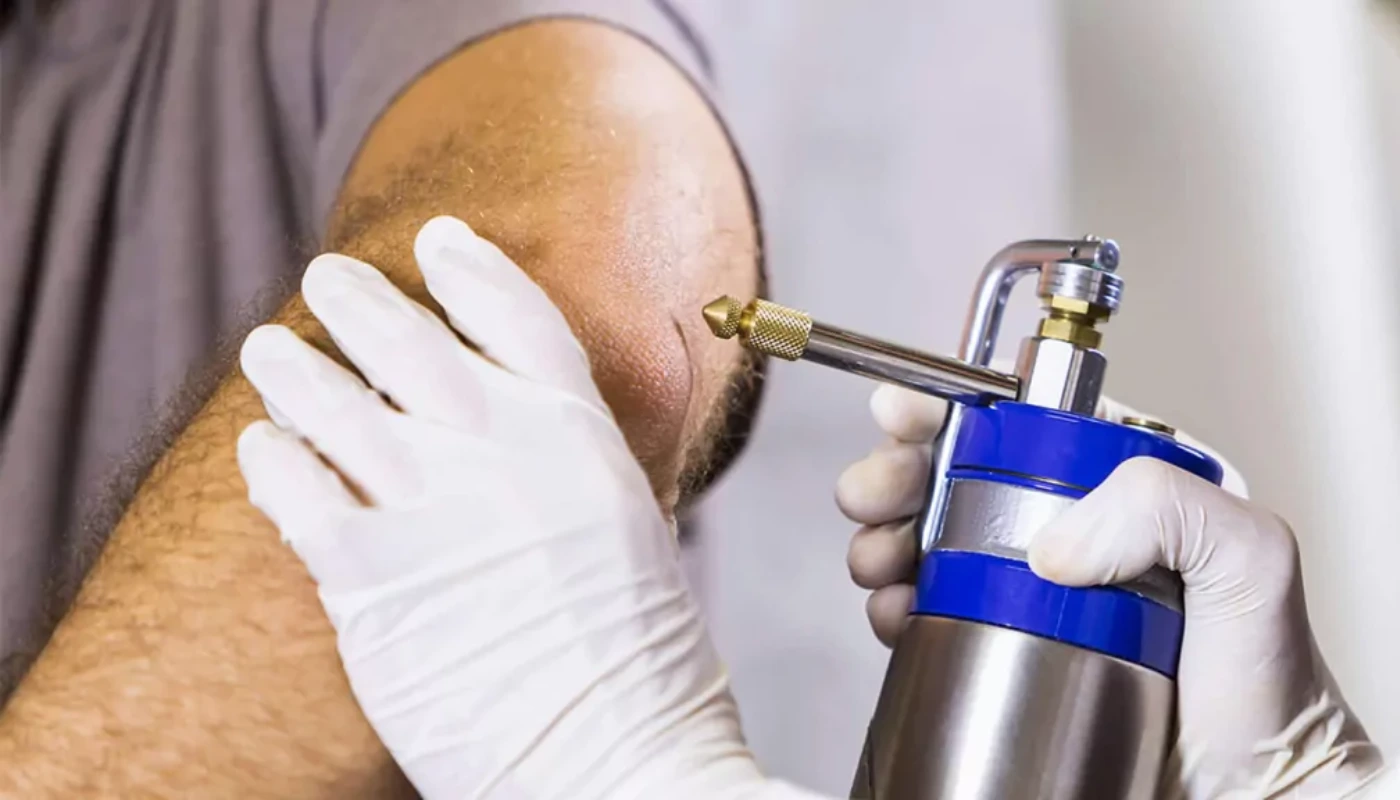
What is Cryotherapy (Cold Therapy)?
Cryotherapy, derived from the Greek words cryo (cold) and therapy (cure), stands as one of the most fundamental and scientifically backed modalities in the field of physical rehabilitation. While the application of ice to an injury might seem like a simple home remedy, the clinical application of cold—when performed with precision—is a sophisticated physiological intervention. It is the “first responder” of the Sports Rehab world and a critical component of post-surgical care.
At PhysioExpert, we view Cryotherapy as more than just a method to “numb” a sore spot. It is a strategic tool used to manipulate the body’s vascular and metabolic responses to trauma. By mastering the timing, temperature, and depth of cold penetration, our therapists help patients transition from the painful acute phase of an injury to active, functional movement faster than traditional “rest” alone.
Cryotherapy is defined as the local or general use of low temperatures in medical therapy. In a physiotherapy context, it is the deliberate withdrawal of heat from the body tissues to achieve specific therapeutic goals. When an injury occurs—whether it’s a sudden ACL Injury or the result of a Total Hip Replacement—the body initiates an inflammatory response.
While inflammation is a necessary precursor to healing, excessive or prolonged swelling can become a barrier to recovery. It causes pain, limits joint movement, and can lead to muscle “shut down” (inhibition). Cryotherapy acts as a biological “brake,” slowing down these processes to a manageable level so that active rehabilitation can begin.
The Physiological Effects of Cold: A Deep Dive
The effectiveness of Cryotherapy at PhysioExpert is based on four primary physiological changes:
A. Vasoconstriction and Hemodynamic Changes
Immediately upon application, cold causes the smooth muscles of the blood vessel walls to contract (vasoconstriction). This reduces the diameter of the vessels, significantly decreasing blood flow to the injured area.
- Why it matters: By reducing blood flow, we limit the volume of fluid that leaks out into the surrounding tissues, effectively controlling “edema” or swelling.
B. Reduced Metabolic Rate
Cold lowers the temperature of the cells, which in turn slows down their metabolic rate. During an injury, cells are often deprived of oxygen because of damaged blood vessels.
- The “Secondary Hypoxia” Factor: Healthy cells surrounding the injury often die because they cannot get enough oxygen through the swelling. By lowering their metabolic “demand” through cold, we help these cells survive until normal circulation is restored.
C. Neurological Effects (Analgesia)
Cryotherapy is a potent natural painkiller. It works by slowing down the nerve conduction velocity—the speed at which pain signals travel to the brain.
- Gate Control Theory: The sensation of intense cold travels along faster nerve fibers than the dull ache of pain. By “flooding” the brain with cold signals, the pain signals are essentially blocked out.
D. Reduction of Muscle Spasms
When we are in pain, our muscles often go into a protective “guarding” spasm. This spasm itself causes more pain, creating a vicious cycle. Cold reduces the sensitivity of the “muscle spindles,” helping the muscle to relax and allowing for easier Orthopedic Rehab exercises.
The CBAN Sequence: The Sensory Journey of Cold
At PhysioExpert, we educate our patients on the CBAN sequence. This is the predictable progression of sensations a patient feels during a 15-to-20-minute Cryotherapy session. Knowing these stages ensures the patient doesn’t remove the cold pack too early or leave it on too long.
1. C – Intense Cold: The first 1–3 minutes where the temperature drop is most noticeable.
2. B – Burning/Stinging: As the superficial nerves react to the drop in temperature.
3. A – Aching: A deep, dull ache that usually signifies the cold is reaching the deeper muscle layers.
4. N – Numbness: The therapeutic “sweet spot.” Once the area is numb to the touch (analgesia), the physiological goals are being met.
Types of Cryotherapy Techniques at PhysioExpert
We utilize a variety of application methods depending on the depth of the target tissue and the stage of the injury.
Ice Packs and Cold Compresses
The gold standard for general joint swelling. We use medical-grade gel packs that remain flexible even when frozen, allowing them to wrap around complex joints like the ankle in cases of Lateral Ankle Instability.
Ice Massage
This is a more aggressive form of cold therapy. A therapist rubs a large ice block directly over a localized area—usually a tendon or a small muscle knot—in circular motions. It is highly effective for conditions like Ankle Bone Spurs or Supraspinatus Tendinitis, reaching therapeutic temperatures in just 5–7 minutes.
Cryokinetics and Cryostretch
This advanced technique is a favorite in our Sports Rehab department.
A) The Process: We apply cold until the area is numb, then immediately have the patient perform active range-of-motion or strengthening exercises.
B) The Benefit: It allows for “pain-free” movement, which helps the brain re-establish a connection with the injured limb without the interference of pain signals.
Controlled Cold Compression Units
Following major surgeries like a Laminectomy, we use automated units that combine cold water circulation with intermittent pneumatic compression. This “double-action” approach is the most effective way to “pump” swelling out of a limb while providing constant cooling.
Cold Whirlpool and Immersion
For multi-joint inflammation or recovery after high-intensity athletic performance, immersion in a cold bath (10°C to 15°C) provides a 360-degree cooling effect that standard ice packs cannot match.
Clinical Indications: When Is Cold the Right Choice?
Cryotherapy is indicated across a wide spectrum of conditions treated at PhysioExpert:
A) Acute Trauma: Within the first 48–72 hours of any sprain, strain, or bruise.
B) Post-Operative Recovery: Reducing the significant swelling that follows Hip Replacement or knee surgeries.
C) Inflammatory “Itis” Conditions: Bursitis (like Pes Anserine Bursitis), Tendinitis, and Tenosynovitis.
D) Nerve Irritation: Cooling the area around a “pinched” nerve in Lumbar Spondylosis can reduce chemical irritation of the nerve.
E) Acute Muscle Spasms: Especially in the lower back or neck after a sudden “jerk” or movement.
Contraindications and Safety: Protecting the Patient
At PhysioExpert, we prioritize clinical safety. Cryotherapy is powerful and must be avoided in certain scenarios:
1. Raynaud’s Phenomenon: A vascular condition where cold causes extreme spasming of the small arteries in the fingers and toes.
2. Cold Urticaria: A rare but serious “cold allergy” where the patient develops hives or systemic reactions to cold.
3. Impaired Sensation: In patients recovering from a Stroke/CVA, the ability to feel “burning” or “aching” may be lost. Using cold here requires extreme caution to avoid frostbite.
4. Peripheral Vascular Disease (PVD): If blood flow is already severely restricted, further vasoconstriction from cold could be dangerous.
5. Open Wounds: Cold should not be applied directly to a fresh surgical incision or open skin without a sterile barrier.
The PhysioExpert Perspective: Integrating Cold into the Kinetic Chain
We do not view Cryotherapy as a standalone treatment. It is a Facilitator.
If you have a Disc Bulge, the ice won’t “fix” the disc. However, by applying Cryotherapy to the surrounding muscles and nerves, we reduce the “background noise” of pain. This creates a Window of Opportunity. During this window, our expert physiotherapists can perform manual therapy or lead you through core stabilization exercises that would otherwise be too painful to attempt.
This integrated approach is especially useful in Geriatric Rehab. Seniors often struggle with chronic inflammation; using localized cold therapy before a session can improve their participation and overall functional outcomes.
FREQUENTLY ASKED QUESTIONS
1. Ice or Heat—which should I use?
2. Can I leave ice on for an hour to heal faster?
3. What is the R.I.C.E protocol?
4. Can Cryotherapy help with chronic arthritis?
5. Is it safe to use cold packs during pregnancy?
Cooling the Path to Healing
Cryotherapy is one of the most accessible yet powerful tools in the physiotherapy arsenal. By mastering the physiological “brakes” of the body—vasoconstriction and metabolic slowing—we allow the healing process to happen more efficiently and with significantly less pain.
At PhysioExpert, we don’t just “put some ice on it.” We provide a comprehensive recovery strategy where Cryotherapy is one of many specialized tools used to get you back to your best. Whether you are recovering from a weekend sports injury or a complex joint surgery, our team ensures your journey is cool, calm, and completely focused on your functional goals.

