

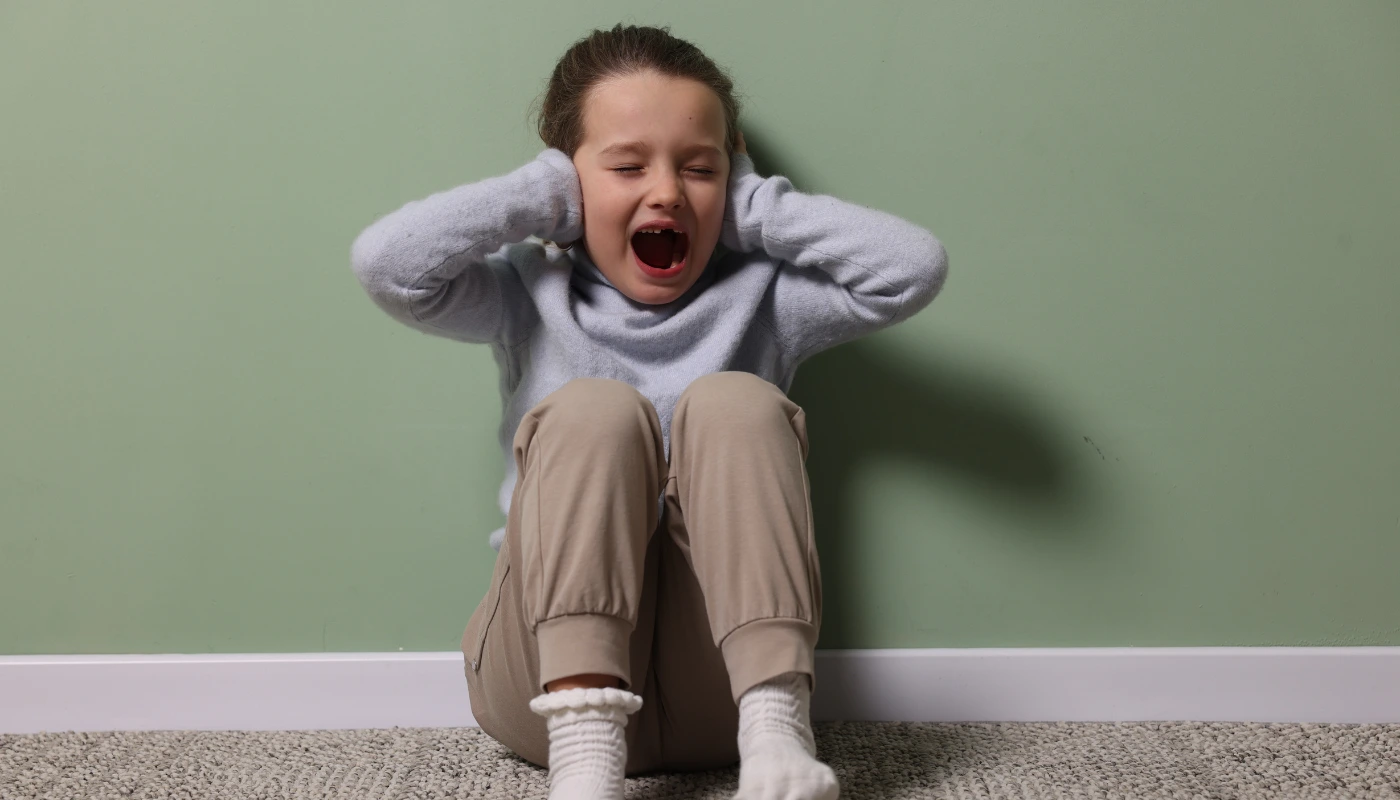
WHAT IS AUTISM SPECTRUM DISORDER (ASD)?
Autism Spectrum Disorder (ASD) is a complex, lifelong neurodevelopmental condition that influences how an individual communicates, interacts with others, and perceives the world around them. While Autism is traditionally viewed through the lens of social and behavioral challenges, there is a profound physical dimension to the spectrum that is often overlooked. At Physiotherapy Expert, we recognize that the “hidden” side of Autism—encompassing motor delays, sensory processing issues, and physical coordination deficits—is fundamental to a child’s ability to engage with their environment.
Movement is the primary language of childhood. It is through running, jumping, climbing, and playing that children learn social boundaries, cause-and-effect, and spatial awareness. When a child’s motor system is out of sync with their intentions, it can lead to frustration, social withdrawal, and a lack of physical confidence. Our specialized pediatric physiotherapy programs are designed to bridge this gap, treating the “whole child” by integrating neurological principles with physical rehabilitation to foster independence and joy.
Autism is described as a “spectrum” because it manifests differently in every individual. Some children may be non-verbal and require significant support, while others may have high intellectual capabilities but struggle with sensory overstimulation or motor planning. However, a common thread across the spectrum is a difference in how the brain processes information and coordinates the body.
From a physiological perspective, Autism often involves a disruption in the Neuro-Motor Connection. This means that while the child’s muscles may be healthy, the “wiring” that tells those muscles how to move in a coordinated sequence—a process known as Motor Planning or Praxis—is functioning differently. At Physio Expert, we view physiotherapy as a way to “re-wire” and strengthen these pathways, using the brain’s inherent neuroplasticity to improve functional outcomes.
THE PHYSICAL DIMENSION OF THE SPECTRUM
Many parents are surprised to learn that physiotherapy is a core recommendation for Autism. To understand why, we must look at the physical markers that frequently accompany an ASD diagnosis:
1. Hypotonia (Low Muscle Tone)
A significant percentage of children on the spectrum present with Hypotonia. This is not the same as muscle weakness; rather, it refers to the “readiness” of the muscle to contract. Children with low tones often appear “floppy” or lean against furniture for support. This makes maintaining an upright posture in a classroom chair or standing in a line physically exhausting, often leading to behavioral outbursts that are actually rooted in physical fatigue.
2. Motor Planning (Dyspraxia)
Motor planning is the ability of the brain to conceive, organize, and execute an unfamiliar physical task. For a neurotypical child, learning to ride a bike or use safety scissors happens through trial and error. For a child with Autism, the brain may struggle to sequence these movements. They might know what they want to do, but their body feels like an uncooperative tool.
3. Sensory Processing Disorder (SPD)
The majority of children with Autism experience sensory challenges. Their nervous systems may be hypersensitive (over-responsive) to touch, sound, or movement, causing them to withdraw. Conversely, they may be Hyposensitive (under-responsive), leading to “sensory seeking” behaviors like crashing into walls, spinning, or constantly jumping. Physiotherapy uses controlled movement to help organize these sensory inputs.
COMMON PHYSICAL SYMPTOMS ADDRESSED AT PHYSIO EXPERT
Our clinical assessments often identify specific physical patterns that, when treated, significantly improve a child’s quality of life:
- Toe Walking: This is one of the most recognizable motor patterns in ASD. It can be a sensory-seeking behavior (liking the pressure on the toes) or a result of a tight posterior chain (Achilles tendons). Over time, persistent toe walking can lead to permanent bone changes and calf contractures.
- Postural Instability: A “slumped” appearance or a protruding abdomen (due to weak core muscles) is common. This lack of a stable “base” makes fine motor tasks, like writing or eating, much harder.
- Bilateral Coordination Issues: Difficulty using both sides of the body together. This affects tasks like catching a ball, using a knife and fork, or buttoning a shirt.
- Spatial Awareness Deficits: Often described as “clumsiness,” children may have poor Proprioception—the internal sense of where their limbs are in space. This leads to frequent tripping, bumping into others, and a lack of “personal space” awareness.
THE PHYSIO EXPERT APPROACH: PEDIATRIC NEURO-REHABILITATION
At Physiotherapy Expert, we move away from the traditional, rigid clinical environment. For a child with Autism, a clinic should be a laboratory of play. Our treatment roadmap is divided into three functional phases:
Phase 1: Sensory Profiling and Regulation
Before we can work on strength, we must ensure the child’s nervous system is regulated. If a child is “in flight mode” due to sensory overload, they cannot learn new motor skills.
- The Sensory Room: We use swings, weighted blankets, and different textures to find the child’s “Just Right” state.
- Heavy Work: Activities like pushing a weighted trolley or crawling through tunnels provide deep pressure (proprioception) which has a naturally calming effect on the nervous system.
- Vestibular Stimulation: Controlled spinning or swinging helps the inner ear process gravity and motion, reducing the need for the child to seek these sensations in unsafe ways.
Phase 2: Building the Physical Foundation
Once regulated, we focus on the core physical requirements for movement:
- Core Stability: We use “Animal Walks” (Bear Crawls, Crab Walks) and Swiss ball exercises. These fun activities force the deep abdominal muscles to fire, providing the stability needed for better posture.
- Balance Training: Using equilibrium boards and foam pads, we challenge the child to find their center of gravity. This reduces the risk of falls and improves confidence on playgrounds.
- Gait Retraining: For toe walkers, we use myofascial release, stretching, and “Target Walking” (placing feet on specific floor markers) to encourage a heel-strike pattern.
Phase 3: Motor Planning and Social Play
The final goal is to take these skills into the real world.
- Obstacle Courses: We create multi-step challenges that require the child to plan their movements—crawl under, jump over, turn around. This builds the “Motor Memory” needed for complex daily tasks.
- Ball Skills: Practicing throwing, catching, and kicking. These are the “social currency” of the playground. A child who can catch a ball is more likely to be included in peer groups.
- Home Sensory Diets: We provide parents with a structured list of movements to perform at home to keep the child’s nervous system organized throughout the school day.
THE PHYSIO EXPERT ADVANTAGE: TOOLS FOR SUCCESS
We utilize evidence-based technology and specialized equipment to enhance our pediatric care:
- Swiss Balls and Peanut Balls: These provide dynamic seating options that improve core strength while the child is focused on play.
- Weighted Vests and Lap Pads: Used during therapy to provide grounding and focus for children who are easily distracted or hyperactive.
- Mirror Therapy: Helping the child gain a visual representation of their body’s position, which is essential for correcting posture and gait.
- Therapeutic Taping: Occasionally used to provide “tactile reminders” to specific muscles, helping a child remember to keep their heels down or their shoulders back.
PATIENT AND FAMILY EDUCATION: EMPOWERING THE PARENTS
We believe that the parents are the primary therapists. Our role is to give you the tools to support your child’s development every day.
- Environmental Modification: We advise on how to set up a “calm corner” at home or how to adjust a child’s study chair to provide better postural support.
- Behavioral Redirection through Movement: If a child is starting to “melt down,” we teach parents how specific movements (like wall pushes or joint compressions) can help de-escalate the nervous system.
- Advocacy: We provide detailed reports for schools and doctors, ensuring that your child’s physical needs are recognized in their Individualized Education Program (IEP).
FREQUENTLY ASKED QUESTIONS
1. My child is non-verbal. Can they still benefit from physiotherapy?
2. How is physiotherapy different from Occupational Therapy (OT) for Autism?
3. Will my child ever stop toe walking?
4. How often should my child attend physiotherapy?
RELATED CONDITIONS
Herniated Disc: Often occurs at the same level as a Retrolisthesis due to the abnormal shear forces on the disc.
Spondylolysis: A stress fracture in the “pars” of the vertebra that can lead to slippage.
Sciatica: Nerve pain originating from the lumbar spine that frequently accompanies vertebral displacement.

