
loading
Sports Physiotherapy Delhi NCR | Injury Rehab

Expert Sports Injury Treatment & Athletic Performance Optimization at PhysiotherapyExpert

Whether you’re a professional athlete, weekend warrior, or fitness enthusiast in Delhi NCR, sports injuries can derail your training and performance goals. At PhysioExpert, we specialize in comprehensive sports physiotherapy services that not only treat injuries but optimize your athletic performance and prevent future setbacks.

With over 14 years of experience and 10,000+ satisfied patients, our dedicated sports physiotherapy team combines advanced rehabilitation techniques with evidence-based treatment protocols to get you back in the game—stronger and better than before.

Pop up video Advanced Treatment Modalities
Sports-Specific Injury Treatment & Rehabilitation

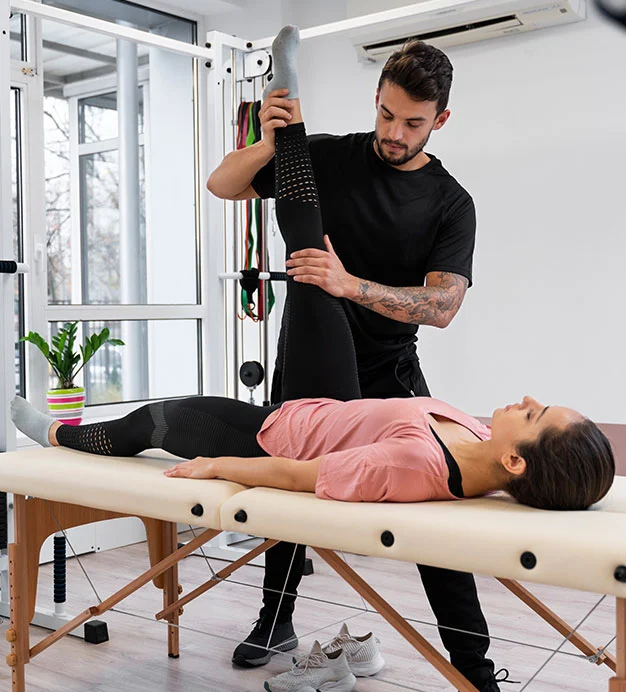
We utilize cutting-edge techniques including:

Pop up video Expert Treatment
Comprehensive Care Approach

We don’t just treat symptoms—we identify root causes, correct movement patterns, and develop personalized rehabilitation programs that address your specific sport and performance goals.

Cricket Injuries

Cricket places unique demands on the body, particularly for bowlers and batsmen. We treat :

service-image

Football/Soccer Rehabilitation

Our football injury specialists understand the demands of the beautiful game:

service-image

Running & Marathon Training

Whether training for your first 5K or qualifying for Boston Marathon:

service-image

Racquet Sports (Badminton, Tennis)

Overhead sports require specific rehabilitation approaches:

service-image

Gym & Weightlifting Injuries

Form correction and proper biomechanics prevent recurring injuries:

service-image

Other Sports We Treat

Corrects spinal posture and relieves pain with targeted alignment therapy.

service-image
Pop up video Fast Recovery
Common Sports Injuries We Treat
Pop up video What to Expect: Your First Visit
Performance Enhancement & Injury Prevention

We utilize cutting-edge techniques including: Beyond injury treatment, we help athletes reach their peak potential:
Biomechanical Analysis

Strength & Conditioning Programs

Injury Prevention Screening

Acute Phase (0-72 hours)

Recovery Optimization

Initial Assessment

What to Bring

What to Wear

Pop up video Advanced Treatment Modalities
Phase-by-Phase Recovery Approach
service-image
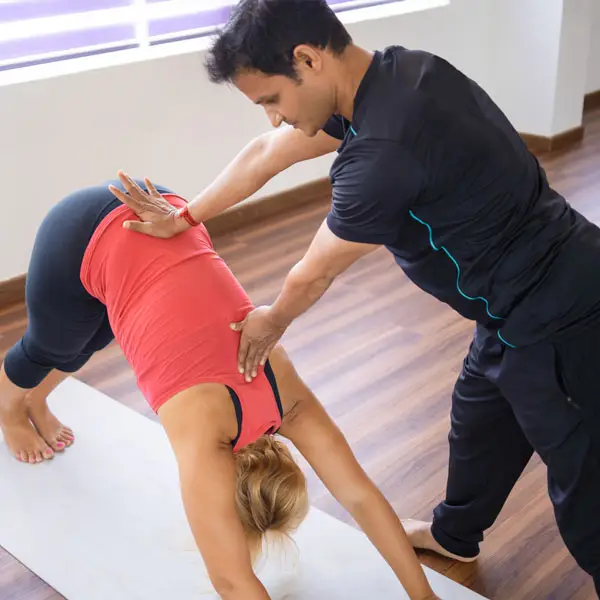
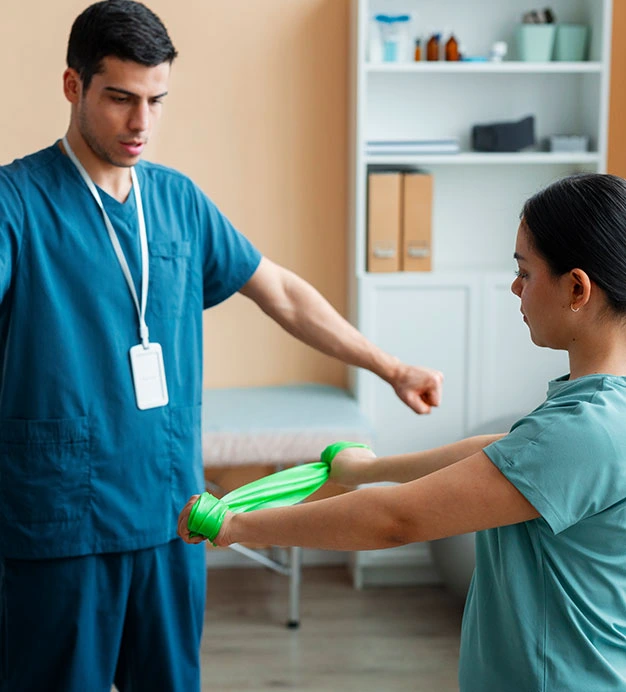
Acute Phase (0-72 hours)

During the acute phase, the RICE protocol (Rest, Ice, Compression, and Elevation) is followed to reduce pain and swelling. Proper pain management is essential during this stage. Early mobility exercises may be introduced carefully to maintain gentle movement, but any activities that may worsen the injury should be strictly avoided.
service-image
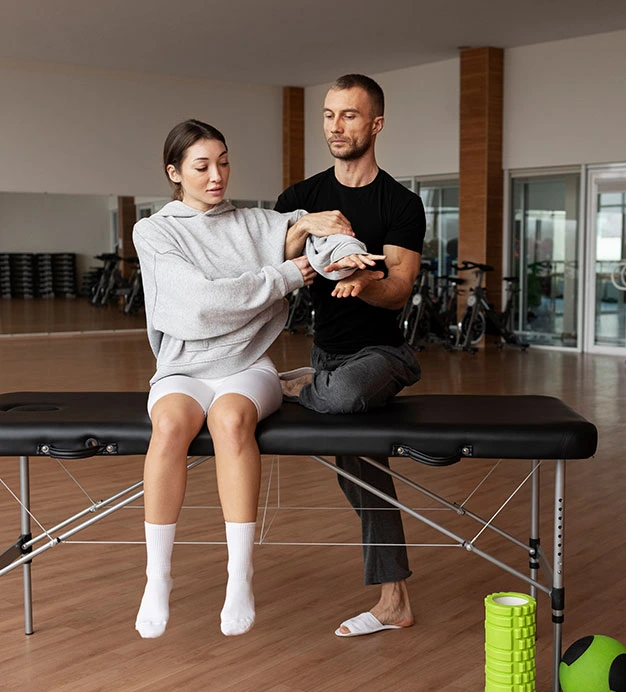
Rehabilitation Phase (3–12 weeks):

During the rehabilitation phase, progressive strengthening exercises are emphasized, with gradual increases in intensity. Functional exercises are incorporated to support daily activities. For athletes, sport-specific training begins, along with balance and proprioception exercises to enhance stability and coordination.
service-image
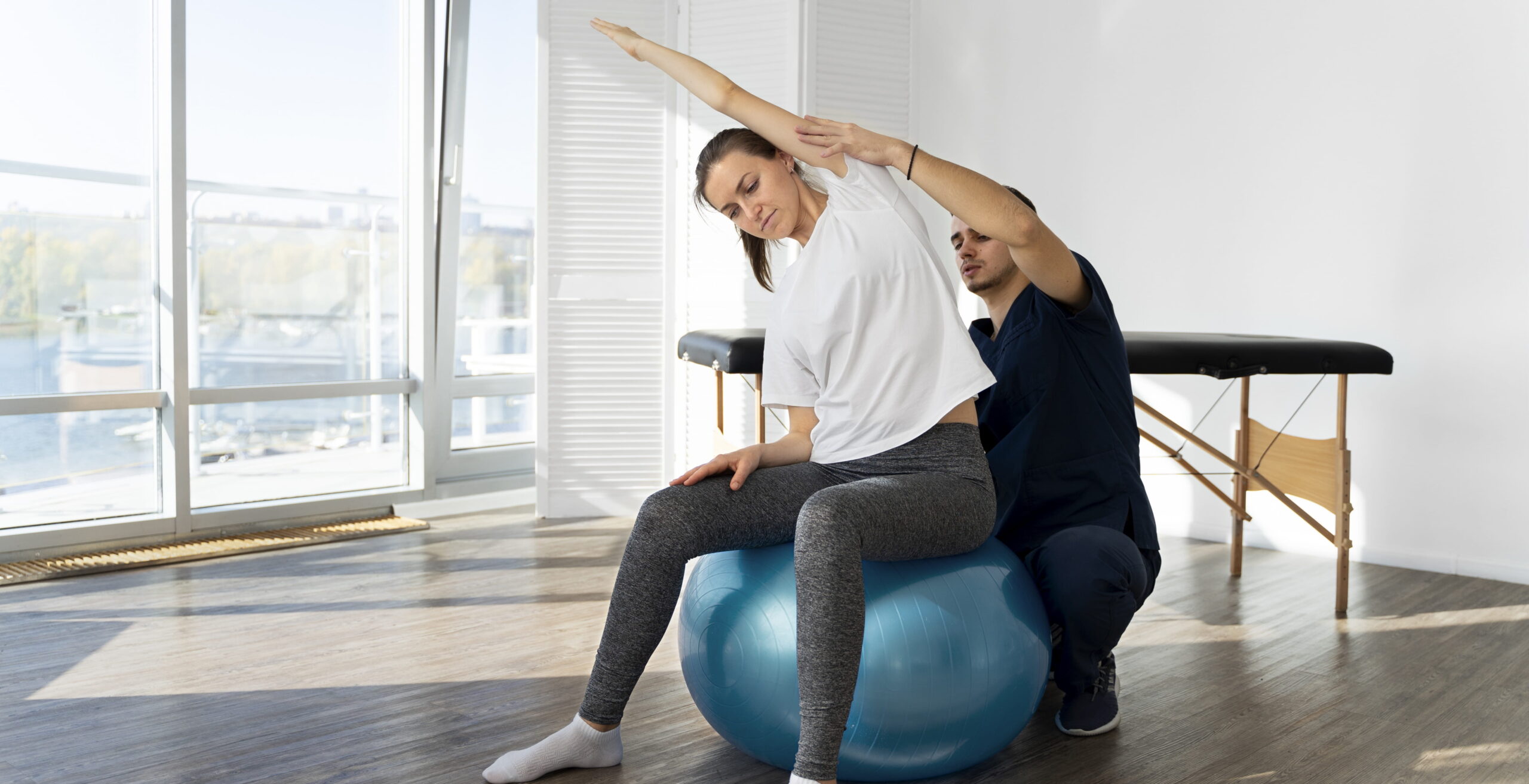
Sub-Acute Phase (3 days – 3 weeks)

In the sub-acute phase, gentle range of motion exercises are initiated to restore joint mobility. Light strengthening exercises are gradually added to improve muscle support. Swelling management continues to be important, and progress is closely monitored to determine readiness for advancement to the next phase.
service-image
Return to Sport Phase (12+ weeks):

In the final phase, advanced sport-specific drills are performed, and performance testing is conducted to ensure full recovery. A gradual return-to-sport protocol is followed to minimize the risk of re-injury. Injury prevention strategies are also implemented to promote long-term safety and performance.

Frequently Asked Questions

When should I see a sports physiotherapist?

See a sports physiotherapist immediately after any acute injury, when pain persists beyond a few days, if you notice decreased performance, or for preventive screening before starting intense training.

What's the difference between a regular physiotherapist and a sports physiotherapist?

Sports physiotherapists have specialized training in athletic injuries, biomechanics, sport-specific movements, and return-to-play protocols. We understand the demands of your sport and design rehabilitation programs that safely return you to peak performance.

How long does sports injury recovery take?

Recovery timelines vary: minor sprains may take 2-4 weeks, moderate injuries 6-12 weeks, and major injuries like ACL tears may require 6-12 months. We provide realistic timelines based on your specific injury and goals.

Can I continue training with an injury?

It depends on the injury severity. We often modify training to maintain fitness while protecting the injured area. Complete rest is rarely necessary and can delay recovery.

What should I do immediately after a sports injury?

Follow the PEACE & LOVE protocol: Protect, Elevate, Avoid anti-inflammatories (initially), Compress, Educate; Load optimally, Optimism, Vascularization, Exercise. Seek professional assessment within 24-48 hours

Do I need a doctor's referral?

No referral is needed. You can directly book a consultation with our sports physiotherapists

How many sessions will I need?

Most patients require 6-12 sessions depending on injury severity, but you’ll see progress within the first few visits. We reassess regularly and adjust treatment plans accordingly.

How do I know if I tore my ACL?

ACL tears typically involve a “pop” sound, immediate swelling, instability, and inability to continue activity. However, diagnosis requires physical examination and often MRI confirmation.

What's the difference between a sprain and a strain?

A sprain affects ligaments (connecting bones), while a strain affects muscles or tendons (connecting muscles to bones). Treatment approaches differ based on the tissue involved.

Can I avoid surgery for my knee injury?

Many knee injuries can be successfully treated conservatively with physiotherapy. We work closely with orthopedic surgeons and provide evidence-based guidance on surgical vs. conservative management.

Is it normal to hear popping/clicking sounds?

Not all sounds indicate problems. Pain-free clicking is often benign, but painful popping or clicking with swelling requires assessment

What techniques do you use in sports physiotherapy?

We use manual therapy, dry needling, exercise therapy, taping techniques, biomechanical analysis, progressive loading, proprioceptive training, and sport-specific functional training.

Will treatment be painful?

Some techniques may cause temporary discomfort, but we work within your tolerance. Pain should never be severe, and you’re always in control.

Should I use ice or heat for my injury?

For acute injuries (first 48-72 hours), use ice to reduce swelling. After that, heat can improve blood flow and reduce stiffness. Your physiotherapist will guide you.

Can physiotherapy help me avoid surgery?

In many cases, yes. Evidence shows that comprehensive physiotherapy can be as effective as surgery for conditions like meniscus tears, rotator cuff injuries, and certain ACL tears.

When can I return to my sport safely?

Return-to-sport decisions are based on objective criteria: pain-free range of motion, adequate strength (typically 90% of uninjured side), sport-specific functional tests, and psychological readiness. We guide you through each milestone.