
WHAT IS A STROKE OR CEREBROVASCULAR ACCIDENT (CVA)?
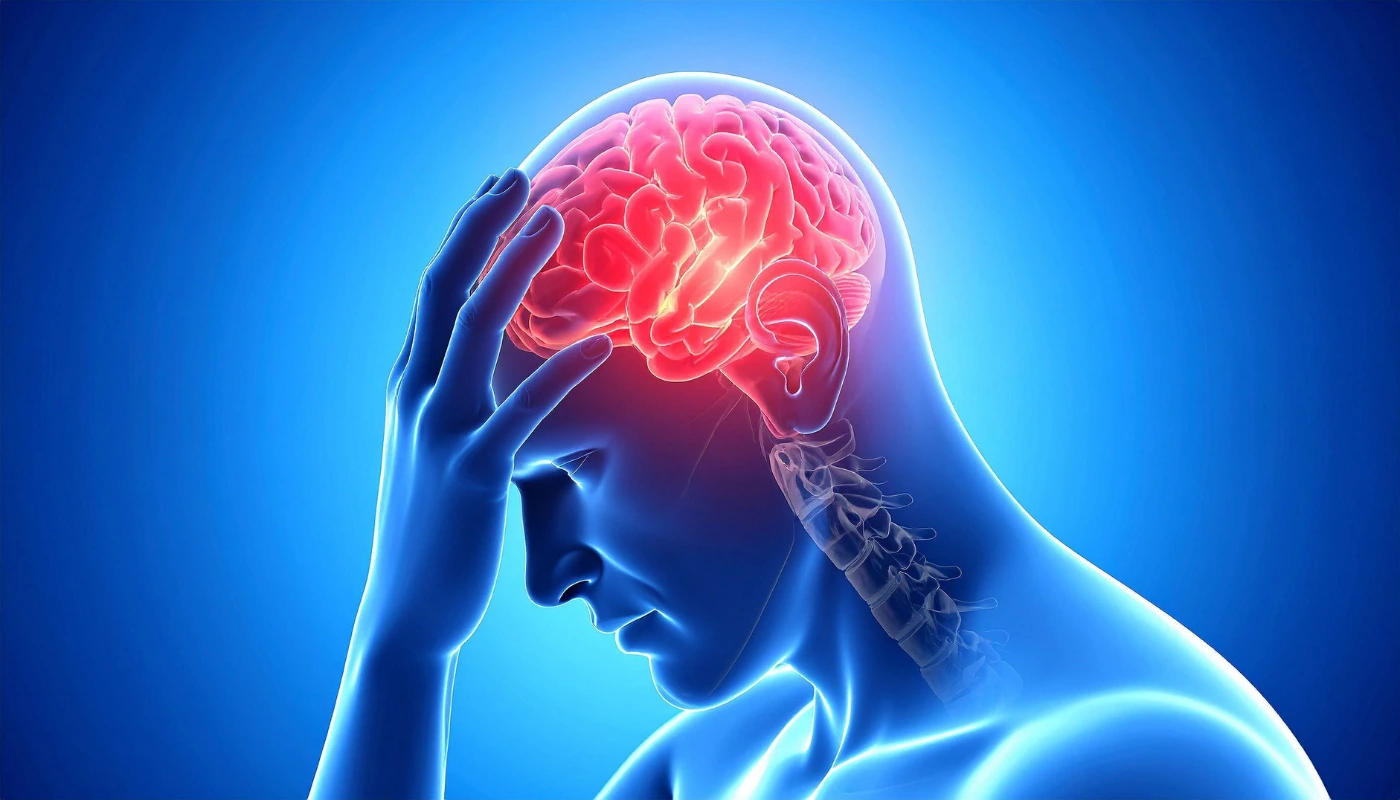
A Stroke, also medically referred to as a Cerebrovascular Accident (CVA), represents one of the most significant medical emergencies in modern neurology. It is defined as an acute onset of neurological dysfunction resulting from a sudden abnormality in cerebral blood circulation. When the supply of blood to a specific part of the brain is interrupted or reduced, brain tissue is deprived of essential oxygen and nutrients. Within minutes, brain cells begin to die, leading to a cascade of functional losses that can affect the entire body.
At Physio Expert, we approach stroke recovery through the lens of Neuroplasticity. While a stroke causes immediate structural damage, the human brain possesses an incredible inherent ability to reorganize itself by forming new neural connections. Our specialized neuro-physiotherapy programs are designed to harness this potential, transforming a static disability into a dynamic journey of functional restoration. We focus on treating the “whole person,” addressing not just the physical paralysis, but the sensory, cognitive, and emotional challenges that follow a CVA.
Understanding the Severity: The Glasgow Coma Scale (GCS)
In the immediate aftermath of a stroke, medical professionals utilize the Glasgow Coma Scale (GCS) to provide a reliable, objective assessment of a patient’s conscious state. This scale is fundamental for determining the initial severity of the brain injury and guiding the urgency of the medical response.
The GCS assesses three key areas of human response: Eye Opening (E), Verbal Response (V), and Motor Response (M). Each category is assigned a numerical value, and the total score—ranging from a minimum of 3 to a maximum of 15—helps categorize the stroke’s impact.
A score of 13 to 15 typically indicates a mild stroke or minor brain injury. A score of 9 to 12 suggests a moderate stroke, where the patient may be confused or unable to follow complex commands. A score of 3 to 8 is indicative of a severe stroke, often signifying that the patient is in a comatose state. At Physio Expert, we use these initial scores as a baseline to track long-term neurological improvement as the patient moves from acute care into our intensive rehabilitation phase.
TYPES OF STROKE: THE BIOLOGICAL MECHANISMS
Not all strokes are the same. Identifying the underlying mechanism is critical for both emergency medical intervention and the subsequent physiotherapy strategy.
1. Ischemic Stroke
This is the most common type of CVA, accounting for nearly 87% of all cases. It occurs when a blood clot—either a thrombus (formed in the brain) or an embolus (traveling from elsewhere in the body)—obstructs an artery that leads to the brain. This blockage starves a focal area of the brain of blood, leading to an infarction.
2. Hemorrhagic Stroke
This type occurs when a weakened blood vessel in the brain ruptures, causing blood to leak into the surrounding brain tissue or the space between the brain and the skull. The resulting pressure from the accumulated blood (hematoma) causes rapid damage to the brain cells. These are often more severe and require careful monitoring of intracranial pressure and surgical intervention.
3. Transient Ischemic Attack (TIA)
Commonly referred to as a “warning stroke” or “mini-stroke,” a TIA involves a temporary blockage of blood flow to the brain. While the symptoms typically resolve within 24 hours and do not leave permanent damage, a TIA is a major indicator that a full-scale ischemic stroke is likely to occur in the near future.
SIGNS AND SYMPTOMS: RECOGNIZING THE ONSET
The symptoms of a stroke depend entirely on which part of the brain has been affected. However, because the brain’s hemispheres control the opposite side of the body, a lesion on the left side of the brain will typically result in hemiplegia (paralysis) or hemiparesis (weakness) on the right side of the body.
Common clinical presentations include:
- Sudden Unilateral Weakness: Loss of motor control in the face, arm, or leg on one side of the body.
- Sensory Loss: Sudden numbness, pain, or a “dead” feeling in specific limbs or areas of the body.
- Speech Abnormalities: Aphasia (difficulty speaking or understanding) or Dysarthria (slurred speech due to muscle weakness).
- Horizontal Nystagmus: Rapid, involuntary eye movements that can cause severe dizziness, blurred vision, and balance issues.
- Coordination and Balance Deficits: Difficulty walking, standing, or maintaining an upright posture due to lack of coordination.
- Vision Problems: Sudden loss of vision in one or both eyes, or double vision.
- Dysphagia: Significant difficulty swallowing, which is a major risk factor for choking or aspiration pneumonia.
RISK FACTORS: PREVENTING THE SECOND STROKE
While some risk factors are non-modifiable, such as age (specifically being over 65), many are lifestyle-dependent. At Physio Expert, part of our mission is secondary prevention. Major risk factors include:
- Hypertension: High blood pressure is the leading cause of stroke, putting constant stress on the cerebral arteries.
- Diabetes: High glucose levels damage the lining of the blood vessels and accelerate plaque buildup.
- Atherosclerosis: The buildup of fats, cholesterol, and other substances (plaque) that can narrow the arteries or break off to form a clot.
- Lifestyle Choices: Smoking and excessive alcohol consumption significantly increase vascular inflammation.
- Obesity and Physical Inactivity: Factors that contribute directly to high blood pressure, heart disease, and metabolic disorders.
DIAGNOSIS OF STROKE: PRECISION IMAGING
Modern medicine relies on rapid imaging to determine the stroke type before treatment can begin.
- CT Scan (Computerized Tomography): The most common first-line test. It is excellent at showing an active bleed (hemorrhage) and helps doctors decide if clot-busting drugs are safe.
- MRI (Magnetic Resonance Imaging): Provides higher resolution and can detect ischemic damage much earlier and more accurately than a CT scan.
- PET Scan (Positron Emission Tomography): Used to evaluate how the brain is using oxygen or glucose, helping to map the area of the brain that is damaged but potentially recoverable.
- Cerebral Angiography: An invasive procedure where a catheter and radiopaque dye are used to visualize the “road map” of the brain’s blood vessels.
PHYSIOTHERAPY TREATMENT AT PHYSIO EXPERT: REHABILITATION ROADMAP
Our stroke rehabilitation program is based on the principles of Neuro-Developmental Treatment (NDT) and Proprioceptive Neuromuscular Facilitation (PNF). We divide the recovery into distinct functional phases.
Phase 1: Edema Management and Early Mobilization
In the very early stages, inactivity can lead to secondary complications like edema or deep vein thrombosis (DVT).
- Cryotherapy and Elevation: We use cold therapy combined with passive movements to reduce swelling in the paralyzed limbs.
- Positioning: Using specialized cushions and splints to ensure the patient doesn’t develop pressure sores or contractures.
Phase 2: Neuromuscular Stimulation
When the muscles are flaccid or weak, they need external help to reconnect with the brain and regain tone.
- NMES (Neuromuscular Electrical Stimulation): We use medical-grade electrical pulses to stimulate muscle contractions, helping the brain recognize the limb again.
- Thermotherapy: Using heat for 20 minutes before stretching to relax tight, spastic muscles and improve blood flow.
Phase 3: Upper Limb Rehabilitation
Regaining the use of the arm and hand is a complex task involving shoulder stability and fine motor control.
- Weight-Bearing Exercises: We start with the patient leaning on their affected arm while sitting to provide sensory input.
- Functional Training: Practicing hand-to-mouth movements for eating and hand-to-head for grooming and dressing.
- Fine Motor Coordination: Using stacking cones and picking up objects of different textures to retrain the hand.
Phase 4: Lower Limb and Pelvic Control
Walking begins with a strong core and stable hips.
- Bridging: Lifting the hips while lying on the back to strengthen the glutes and lower back stabilizers.
- Pelvic Rotation: Exercises to improve the dissociation between the upper and lower body, essential for walking.
- Knee Stability: Practicing small-range flexion and extension to ensure the knee doesn’t buckle when standing.
Phase 5: Balance and Gait Training
Once the patient can stand, we work on dynamic balance and mobility.
- Limits of Stability: Teaching the patient to shift their weight in all directions without losing their center of gravity.
- Gait Training: Using parallel bars and moving to hemi-walkers or quad-canes. We practice walking forward, backward, and in crossed patterns.
- Elevation Training: Learning to navigate stairs and step over obstacles safely to prevent falls.
Phase 6: Facial and Respiratory Therapy
Stroke often affects the muscles used for breathing, swallowing, and speaking.
- Respiratory Exercises: Diaphragmatic and basal expansion breathing to increase lung capacity and chest expansion.
- Facial Palsy Exercises: Instructions on puffing cheeks, blowing bubbles, and practicing tongue movements to improve speech.
THE PHYSIO EXPERT ADVANTAGE: TECHNOLOGY IN NEURO-REHAB
At Physio Expert, we leverage technology to accelerate neuroplasticity:
- Mirror Therapy: Using a mirror to reflect the healthy limb, tricking the brain into thinking the affected limb is moving perfectly to activate mirror neurons.
- Biofeedback: Providing the patient with visual signals when they successfully contract a muscle, even if the movement is subtle.
- Swiss Ball and Equilibrium Boards: Using unstable surfaces to force the brain to find balance and improve core control.
PATIENT AND FAMILY EDUCATION: SUSTAINING INDEPENDENCE
A stroke is a family crisis, not just an individual one. Our education program focuses on:
- Home Modification: We advise on installing grab bars and removing rugs to ensure a safe environment for movement.
- Feeding Assistance: Using adapted utensils and plate guards to encourage the patient to feed themselves independently.
- Exercise Supervision: We train family members on how to perform Passive Range of Motion (PROM) exercises safely at home.
- Social Reintegration: Encouraging the patient to engage in hobbies and gatherings to prevent post-stroke isolation.
FREQUENTLY ASKED QUESTIONS
1. How long does stroke recovery take?
2. Is physiotherapy painful after a stroke?
3. Can a person walk again after a major stroke?
4. What is the difference between a TIA and a stroke?
RELATED CONDITIONS
- Spasticity: Increased muscle tone and stiffness that occurs following a CVA.
- Shoulder Subluxation: Partial shoulder dislocation due to extreme muscle weakness after a stroke.
- Post-Stroke Depression: A psychological state that can slow down physical recovery progress.
- Vascular Dementia: Cognitive impairment resulting from the stroke’s impact on brain blood flow.