

- Physio Expert
- 0 Comments
Living With Lumbar Spondylosis: Understanding, Managing, and Thriving with Lower Back Degeneration
Expert Care by PhysioExpert for a Pain-Free, Active Life
Lower back pain is one of the most common musculoskeletal complaints worldwide — and one of the leading causes behind this discomfort is lumbar spondylosis, also known as degeneration of the lower spine. As we age, the spine undergoes natural wear and tear. But for many people, this degeneration becomes symptomatic, affecting their ability to move, work, sleep, and enjoy daily activities.
At PhysioExpert, we understand how deeply lumbar spondylosis can impact your life. Our holistic, evidence-based physiotherapy approach focuses not only on reducing pain but on restoring strength, mobility, and function — helping individuals live full, active lives without fear of constant back pain.
This blog explores what lumbar spondylosis is, who is most susceptible, its common causes, differential diagnoses, and the modern physiotherapy approach to managing and reversing its functional impact.
What Is Lumbar Spondylosis?
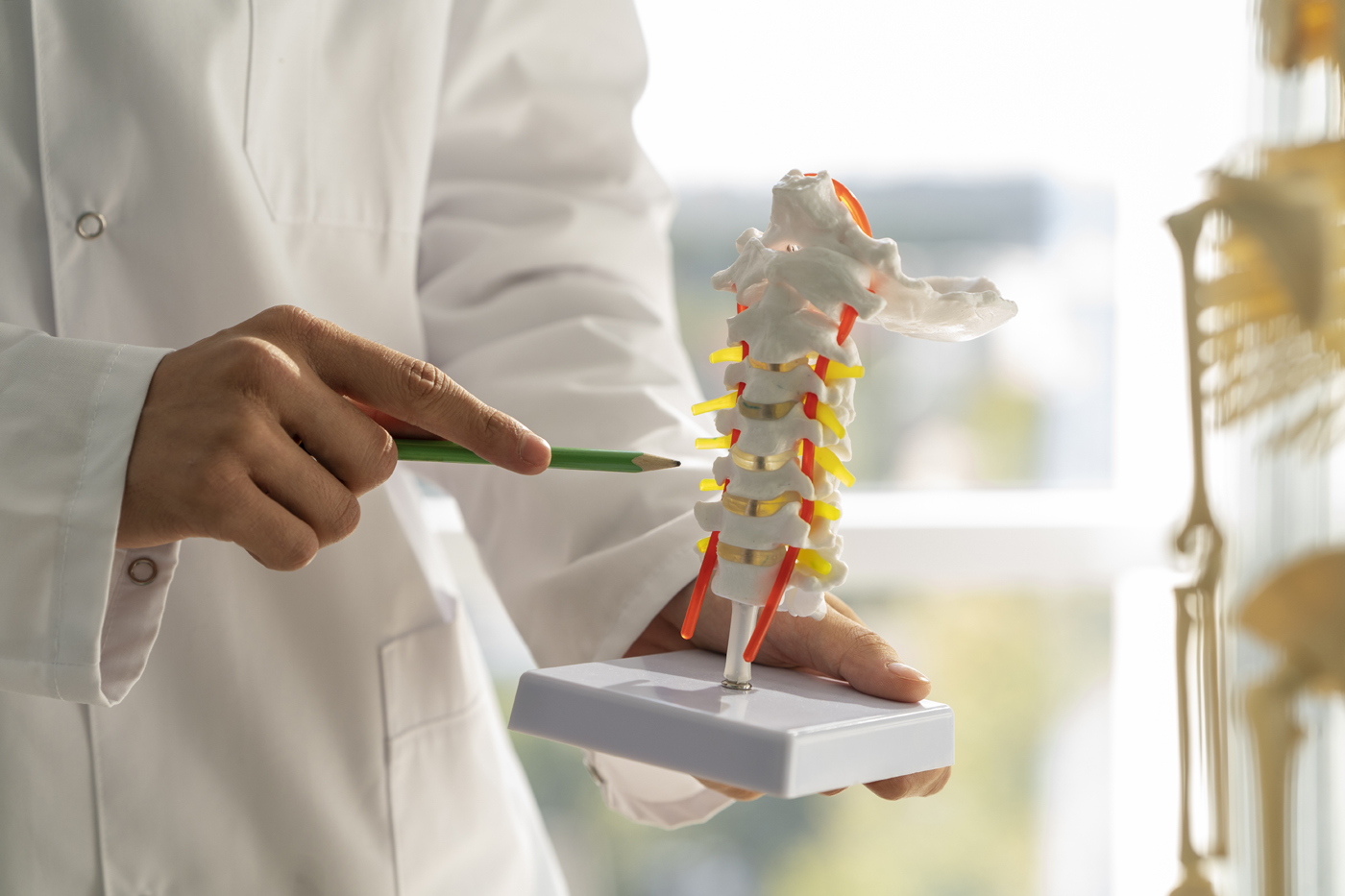
Lumbar spondylosis refers to degeneration of the vertebrae, intervertebral discs, joints, and supporting structures of the lower back. It is not a disease — it is a natural aging process. However, when degeneration progresses, it can lead to:
- Chronic lower back pain
- Stiffness
- Limited mobility
- Nerve irritation
- Radiating leg pain (sciatica-like symptoms)
It results from slow changes such as disc dehydration, thinning, bone spur (osteophyte) development, and facet joint arthritis.

Who Is Most Susceptible?
While lumbar spondylosis can affect anyone, certain groups are at higher risk:
✔ Individuals above 40–45 years
Age is the strongest predictor due to natural wear and tear.
✔ People with sedentary lifestyles
Long sitting increases disc pressure.
✔ Individuals with occupations requiring repeated bending or lifting
Construction workers, drivers, nurses, warehouse workers, etc.
✔ Athletes involved in repetitive lumbar loading
Cricketers, gymnasts, fast bowlers, wrestlers, weightlifters.
✔ People with chronic poor posture
Slouching, prolonged sitting, mobile/laptop use.
✔ Obese or overweight individuals
Extra load accelerates degeneration.
✔ Smokers
Smoking reduces disc nutrition and accelerates degeneration.
Recognizing these factors helps modify lifestyle choices early and prevent progression.
Common Causes Behind Lumbar Spine Degeneration
Lumbar spondylosis occurs due to a combination of factors:
- Disc Degeneration
The discs lose water content, becoming thinner, leading to reduced cushioning between vertebrae.
- Facet Joint Arthritis
With degeneration, these joints bear more load, becoming inflamed and painful.
- Muscle Imbalances
Weak core muscles and tight hip flexors create abnormal forces on the spine.
- Repetitive Stress or Trauma
Frequent bending, twisting, and heavy lifting strain spinal structures repeatedly.
- Genetic Factors
Some individuals naturally experience earlier disc degeneration.
- Biomechanical Faults
Flat feet, pelvic tilt, poor movement mechanics contribute to abnormal spine loading.
Understanding the cause is essential for focused treatment — and this is where PhysioExpert excels.
Symptoms of Lumbar Spondylosis
While some people remain asymptomatic, others may experience:
- Persistent or episodic back pain
- Morning stiffness
- Difficulty bending forward
- Pain that worsens with prolonged standing or sitting
- Pain radiating to buttocks or legs (pseudo-sciatica)
- Clicking or grinding sensation in the back
- Reduced ability to walk long distances
- Weakness or fatigue in lower limbs
Early recognition and physiotherapy can prevent progression.
Differential Diagnosis: Conditions That Mimic Lumbar Spondylosis
It’s important to differentiate lumbar spondylosis from other conditions with similar symptoms. Physiotherapy assessment helps identify the exact cause.
- Lumbar Disc Herniation
A disc bulge or prolapse compressing nerve roots.
- Spinal Stenosis
Narrowing of spinal canal causing nerve compression.
- Sacroiliac Joint Dysfunction
Pain arising from SI joint irritation.
- Piriformis Syndrome
Sciatic nerve irritation due to muscle tightness.
- Lumbar Muscle Strain or Spasms
Soft tissue injuries due to overload or improper posture.
- Spondylolisthesis
Forward slippage of a vertebra over another.
- Osteoporotic Compression Fractures
Common in elderly individuals with weakened bones.
At PhysioExpert, our assessment protocol includes posture analysis, mobility tests, neurological screening, muscle strength testing, and functional movement evaluation to accurately diagnose the problem and design a personalized treatment plan.
How Physiotherapy Helps in Managing Lumbar Spondylosis
Physiotherapy is the gold standard for managing lower back degeneration. Unlike temporary painkillers or passive treatments, physiotherapy targets the root cause of pain.
- Pain Relief Techniques
Electrical stimulation, ultrasound therapy, Laser therapy, heat therapy, and manual release methods reduce pain and inflammation.
- Core Strengthening
A strong core stabilizes the spine and significantly reduces stress on lumbar discs and joints.
- Postural Correction
Teaching ideal spinal alignment during sitting, standing, lifting, walking, and sleeping.
- Flexibility & Mobility Restoration
Hip flexor stretching, thoracic mobility drills, and lumbar decompression techniques improve function.
- Strengthening Back & Gluteal Muscles
Strong glutes and back extensors prevent excessive lumbar strain during daily activities.
- Facet Joint Mobilization
Gentle manual therapy improves joint movement and reduces stiffness.
- Ergonomic Training
Correct workstation setup, bending mechanics, and lifting techniques to protect the spine.
- Lifestyle Modification Counseling
Weight loss advice, smoking cessation support, stress management, and sleep hygiene guidance.
- Prevention of Progression
When treated early, physiotherapy can prevent lumbar degeneration from worsening and restore long-term spinal health.
How PhysioExpert Provides Excellence in Managing Lumbar Spondylosis
At PhysioExpert, we take a scientific and empathetic approach to treating lower back degeneration.
1. Comprehensive Assessment
We evaluate:
- Spinal alignment
- Gait pattern
- Muscle tightness
- Core stability
- Movement dysfunctions
- Disc and joint involvement
This ensures an accurate diagnosis.
2. Individualized Treatment Plans
No two spines are the same. Every patient receives a fully customized program focusing on pain relief, strengthening, and functional recovery.
3. Advanced Manual Therapy
Our therapists use evidence-based techniques to reduce stiffness, restore mobility, and improve spinal movement quality.
4. Exercise-Based Rehabilitation
We guide patients through progressive exercises tailored to:
- Strengthen the core
- Improve posture
- Enhance movement control
- Prevent future flare-ups
5. Education for Self-Management
We empower every patient with knowledge so they understand their condition and manage their symptoms confidently at home.
6. Long-Term Wellness Plans
For chronic cases, our ongoing conditioning programs ensure the spine stays strong, mobile, and pain-free.
At PhysioExpert, our mission is simple:
“To help every individual live pain-free, move freely, and stay functionally independent.”
Who Can Benefit from PhysioExpert’s Lumbar Spondylosis Care?
Our specialized care is ideal for:
- Office workers with long sitting hours
- Individuals above 40 experiencing recurrent back pain
- Athletes with repetitive lumbar loading
- Homemakers performing frequent bending and lifting
- Drivers spending long hours on the road
- Elderly individuals with age-related degeneration
- People recovering from disc or spinal injuries
No matter your age or lifestyle, PhysioExpert provides a safe, scientific pathway to spinal recovery.
