

Sacralization – Causes, Symptoms, Diagnosis & Effective Treatment
What Is Sacralization?
Sacralization is a spinal variation (or congenital condition) where the lowest lumbar vertebra (usually the 5th lumbar vertebra – L5) becomes partially or completely fused with the sacrum – the triangular bone at the base of your spine. Instead of a distinct joint between L5 and the first sacral segment (S1), the bones join together, reducing mobility at that junction.
In many people, sacralization causes no symptoms at all and may be discovered incidentally during imaging for another issue. However, in some individuals it can affect biomechanics and contribute to lower back pain or stiffness.
Causes of Sacralization
Sacralization typically develops due to congenital or developmental factors present from birth. Key contributing factors include:
Genetic or congenital variations in spine development
Abnormal fetal development of vertebrae
Trauma or injury affecting the lower spine
Degenerative changes like osteoarthritis
Rarely, infections, tumors or inflammatory diseases in the spine
Most cases are not caused by lifestyle or injury later in life.
Common Symptoms
Although many people with sacralization have no noticeable issues, symptoms can appear when the altered spinal mechanics cause strain or nerve involvement. These can include:
Lower back pain – often chronic or intermittent
Stiffness and reduced flexibility in the lower spine
Limited range of motion when bending or twisting
Numbness, tingling or weakness if nearby nerves are compressed
Sciatica-type pain down the legs on one or both sides
The severity of symptoms varies widely between individuals. Some people may only notice discomfort when sitting for long periods or during physical activity.
How is Sacralization Diagnosed?
Sacralization is usually identified through clinical assessment and imaging studies:
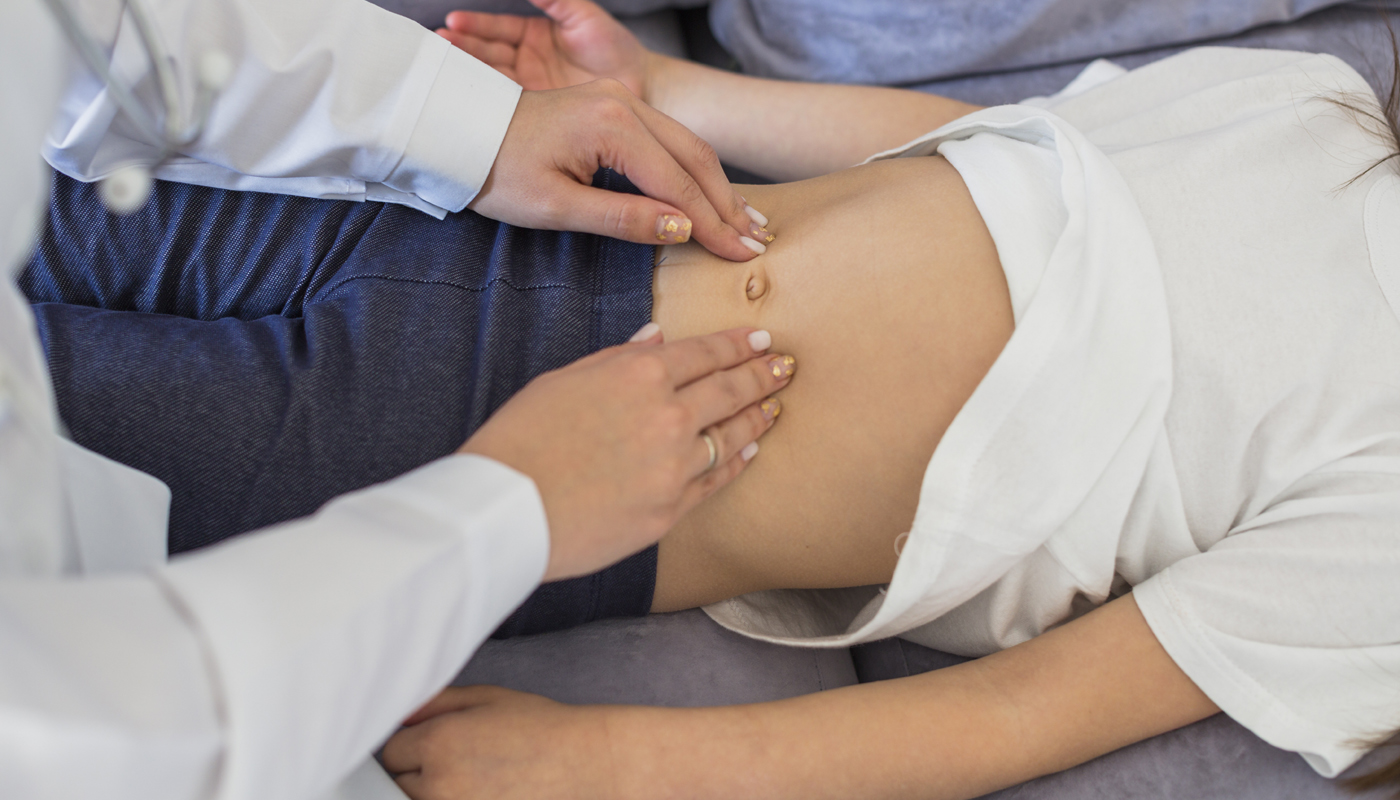
Physical examination by a healthcare professional
X-rays — show the bone structure and any fusion of vertebrae
CT Scan — provides clearer bone detail
MRI — assesses soft tissues and nerve compression
Bone scan or EMG — used in selected cases to evaluate activity or nerve function
Prompt diagnosis helps rule out other causes of back pain and determines the best management plan.
Treatment Options
Management of sacralization focuses on symptom relief, improving mobility, and enhancing quality of life. Treatment may include:
Medications
Pain relievers (NSAIDs) and muscle relaxants
Steroid injections in select cases
Always use medication under medical supervision.
Physiotherapy & Rehabilitation
A customized physiotherapy program is often the first-line treatment for symptomatic sacralization. Common physiotherapy approaches include:
Cryotherapy & thermotherapy – to reduce pain and inflammation
Transcutaneous electrical nerve stimulation (TENS) – for nerve-related discomfort
Ultrasound and interferential therapy – to promote circulation and reduce stiffness
Manual therapy – soft tissue work and mobilization
Targeted exercises to strengthen core and lower back muscles
Lifestyle guidance to avoid pain-triggering activities
Physiotherapy can significantly improve posture, flexibility, and pain levels when followed consistently.
Living With Sacralization
Many people with sacralization lead active, pain-free lives. Even if sacralization is present on imaging, symptoms may not occur. Where symptoms do appear:
✔ Regular physiotherapy
✔ Proper posture habits
✔ Avoidance of excessive strain
✔ Gradual strengthening exercises
can all help manage discomfort effectively.
When to See a Specialist
Consult a spine specialist or physiotherapist if you experience:
Persistent lower back pain
Pain radiating down legs
Numbness or weakness
Restricted daily activities due to back stiffness
Early assessment and tailored treatment can prevent long-term complications and improve function.