

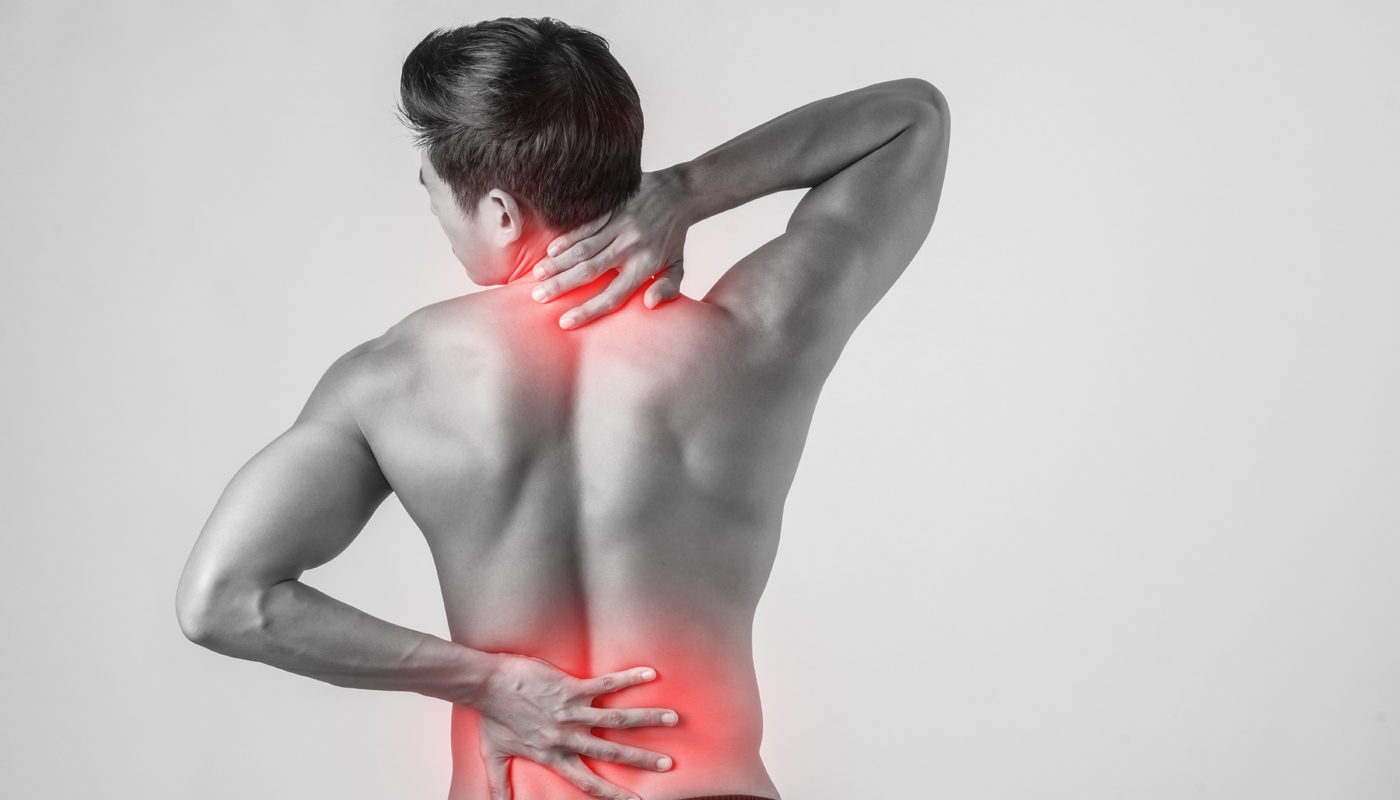
What Is Lumbarization?
Lumbarization is a congenital spinal anomaly in which the first sacral vertebra (S1) fails to fuse with the rest of the sacrum and instead functions as an additional lumbar vertebra. This results in the presence of six lumbar vertebrae instead of the normal five. The condition alters the natural structure and mechanics of the lower spine and may lead to lower back pain or other musculoskeletal complications.
This variation is classified under lumbosacral transitional vertebrae (LSTV) and is typically discovered incidentally on imaging performed for unrelated reasons. While many individuals remain asymptomatic throughout their lives, others may experience chronic discomfort, reduced mobility, or nerve-related symptoms.
Causes of Lumbarization
The exact etiology of lumbarization is not fully understood. However, current evidence attributes this condition to a combination of the following factors:
- Genetic Factors: Mutations or variations in genes responsible for controlling vertebral development during embryogenesis.
- Hereditary Influence: A family history of spinal anomalies significantly increases the likelihood of developing lumbarization.
- Developmental Anomalies: Errors during embryonic development of the spine leading to abnormal vertebral segmentation.
- Environmental Factors: Certain environmental exposures or influences during pregnancy may affect spinal development, though this link is not well established.
- Unknown or Multifactorial Causes: In many cases, the precise cause remains unidentified, likely arising from a complex interplay of genetic and environmental factors.
Signs and Symptoms of Lumbarization
Lumbarization is frequently asymptomatic and discovered incidentally during imaging for unrelated conditions. When symptoms do present, they may include:
- Lower Back Pain: Chronic or intermittent pain in the lumbar region, often worsened by prolonged sitting, standing, or physical activity.
- Limited Mobility: Reduced flexibility or stiffness in the lower back, restricting normal range of motion.
- Sciatica: Pain radiating from the lower back through the buttocks and down the leg, caused by compression or irritation of the sciatic nerve.
- Muscle Weakness: Weakness in the lower back and lower limb muscles due to altered spinal mechanics or nerve involvement.
- Nerve Compression Symptoms: Numbness, tingling, or burning sensations in the lower back, buttocks, or legs.
- Postural Abnormalities: Changes in posture or gait resulting from the altered biomechanics of the lumbosacral junction.
Localized Tenderness: Pain or sensitivity upon palpation of the lower back region.
Pathology
The pathological basis of lumbarization involves the abnormal embryological development of the vertebral column — specifically, the transformation of S1 into a structure resembling a lumbar vertebra. The normal spine contains five lumbar vertebrae, but in lumbarization, a sixth lumbar-like segment is present. This alteration disrupts the natural curvature, load distribution, and biomechanical function of the lumbosacral spine, predisposing the individual to accelerated disc degeneration and joint stress.
Diagnosis of Lumbarization
Accurate diagnosis of lumbarization requires clinical assessment combined with appropriate imaging studies. The following diagnostic tools and procedures are commonly employed:
Clinical Examination
A thorough history and physical examination by a physiotherapist or physician to assess symptoms, functional limitations, and signs suggestive of lumbarization. This includes evaluation of posture, range of motion, muscle strength, and neurological status.
X-Ray (Radiograph)
Standard anterior-posterior (AP) and lateral lumbosacral spine radiographs are the first-line imaging tool. These images help visualize and count the lumbar and sacral vertebrae, confirming the presence of an additional lumbar segment.
CT Scan (Computed Tomography)
CT scans offer detailed imaging of bony structures, providing a clearer view of the vertebral anatomy and any associated anomalies. Useful when plain X-rays are inconclusive.
MRI (Magnetic Resonance Imaging)
MRI is the preferred modality for assessing soft tissue structures including intervertebral discs, spinal nerves, and the spinal cord. It helps rule out other causes of back pain and evaluates any neurological involvement.
Bone Scintigraphy (Bone Scan)
A nuclear imaging technique that detects abnormal bone metabolic activity. Used to differentiate between symptomatic and asymptomatic lumbarization.
Electromyography (EMG) & Nerve Conduction Studies (NCS)
These electrodiagnostic tests assess the function of nerves and muscles, helping determine whether there is any nerve compression or dysfunction associated with lumbarization.
Treatment for Lumbarization
Treatment is tailored to the severity of symptoms. Most cases are managed conservatively, with surgical intervention reserved for refractory cases with significant neurological involvement.
Medication
Pharmacological management may include Nonsteroidal Anti-Inflammatory Drugs (NSAIDs) for pain and inflammation, analgesics for pain relief, muscle relaxants to reduce spasm, and corticosteroids for severe inflammatory episodes. All medications should be taken strictly under a physician’s prescription.
Surgical Options
Surgery is considered a last resort when conservative treatments fail or when there are severe neurological deficits. Surgical options include:
- Spinal Fusion: Stabilizes the spine by fusing the anomalous lumbarized S1 vertebra to the sacrum or adjacent lumbar vertebrae.
- Laminectomy: Relieves pressure on the spinal cord or nerves by removing part of the vertebral bone (the lamina).
- Discectomy: Removes herniated or degenerated disc material compressing a nerve root.
- Foraminotomy: Enlarges the foramen (the opening through which spinal nerves exit) to relieve nerve compression.
- Interbody Fusion: Removes a degenerated disc and replaces it with a bone graft or synthetic spacer to restore spinal alignment and stability.
Physiotherapy Treatment for Lumbarization
Physiotherapy is the cornerstone of conservative management for lumbarization. A comprehensive rehabilitation program addresses pain relief, functional restoration, and long-term spinal health.
Electrophysical Agents
- Heat and Cold Therapy: Heat application relaxes muscles and improves local circulation; cold therapy reduces acute inflammation and provides pain relief.
- TENS (Transcutaneous Electrical Nerve Stimulation): Reduces pain by stimulating nerve pathways and modulating pain signals at the spinal cord level.
- Ultrasound Therapy: Utilizes sound waves to generate deep tissue heat, promoting tissue healing and reducing inflammation.
- Electrical Muscle Stimulation (EMS): Delivers electrical impulses to stimulate muscle contractions, helping maintain muscle tone and reduce atrophy.
- Interferential Current Therapy (IFT): Uses two high-frequency electrical currents that intersect within tissues to achieve deep pain relief and reduce muscle spasm.
- Galvanic Stimulation (GS): Uses direct current to stimulate nerves and muscles, aiding in pain modulation and tissue repair.
Exercise Therapy
- Strengthening Exercises: Focused on strengthening the core, lower back, gluteal, and pelvic muscles to provide superior spinal support and reduce mechanical stress.
- Stretching Exercises: Target the lower back, hip flexors, and hamstrings to improve flexibility and reduce muscle tension.
- Aerobic Exercises: Low-impact activities such as walking, swimming, and cycling improve overall cardiovascular fitness without placing excessive strain on the spine.
Manual Therapy
- Spinal Manipulation: Gentle, controlled adjustments performed by the physiotherapist to improve spinal alignment and segmental mobility.
- Joint Mobilization: Techniques applied to increase the range of motion in restricted lumbosacral joints.
- Soft Tissue Massage: Reduces muscle tension, relieves trigger points, and improves blood flow to affected tissues.
Postural Training & Ergonomic Education
Patients receive guidance on maintaining proper spinal alignment during daily activities, including correct sitting, standing, and lifting postures. Ergonomic modifications to the workstation and home environment are recommended to minimize spinal loading.
Core Stabilization
A structured core stabilization program targets the deep stabilizing muscles of the abdomen, lower back, and pelvic floor — including the transversus abdominis and multifidus — to provide dynamic support to the lumbar spine during movement.
Functional Training
Functional rehabilitation involves task-specific exercises designed to replicate and improve performance of everyday activities such as bending, lifting, and walking, enabling the patient to return to their normal functional capacity.
Patient Education
Patient education is an integral component of lumbarization management. Patients are educated about:
- Understanding the Condition: A clear explanation of lumbarization, its anatomical basis, and the factors that may aggravate or relieve symptoms.
- Activity Modification: Guidance on modifying daily activities to avoid positions and movements that increase spinal load or exacerbate pain.
- Proper Lifting Techniques: Training in safe lifting mechanics — bending at the knees, keeping the spine neutral, and avoiding twisting — to protect the lower back.
- Posture Awareness: Instruction on maintaining correct posture during sitting, standing, and sleeping to reduce mechanical stress on the lumbosacral junction.
- Home Exercise Program: A personalized set of exercises to be performed independently at home to maintain gains achieved during clinical physiotherapy sessions.
- Long-term Self-management: Strategies for managing flare-ups, recognizing warning signs, and maintaining spinal health over the long term.
Related Conditions
Lumbarization shares clinical features with and may be associated with the following spinal conditions:
- Lumbar Spondylosis: Degenerative changes affecting the lumbar vertebrae, often accelerated by altered biomechanics in lumbarization.
- Sciatica: Compression or irritation of the sciatic nerve, commonly seen in symptomatic lumbarization.
- Degenerative Disc Disease: Progressive deterioration of intervertebral discs, exacerbated by abnormal load distribution.
- Disc Bulge / Herniation: Protrusion of disc material that may compress adjacent nerve roots, producing radicular symptoms.